 how-to
What the Average Roof Replacement Costs Homeowners
Last Updated: November 2, 2026
Quick Summary
The average roof replacement cost depends on roof size, material, pitch, and tear-off needs, so there is no single national price. For a standard-sized home, architectural asphalt shingles typically run $9,000 to $15,000 for 20 squares, while metal, tile, and wood shakes cost more. Your actual quote will vary with complexity and local labor rates.
- Roofers price by the roofing square, which is 100 square feet of roof surface.
- A 2,000-square-foot roof equals about 20 squares and often costs less per square.
- Add 10% for waste, valleys, and hips when estimating material needs.
- Repair makes sense for isolated damage; replacement wins when leaks spread or the roof nears the end of its service life.
- Compare contractor quotes line by line, not just by the bottom line.
Table of Contents
- What Drives the Average Roof Replacement Cost
- How to Build a Roof Replacement Estimate Step by Step
- Roof Replacement Cost by Square Footage and Roofing Square
- Roof Replacement vs. Repair: Which One Fits Your Situation
- What the Roof Replacement Timeline Looks Like
- Comparing Contractor Quotes and Scope Checklists
- Frequently Asked Questions
Astro Roofing | Email: Astroroof@yahoo.com | Phone: 817-285-7663
What Drives the Average Roof Replacement Cost
There is no single national price tag for a roof. For a full residential roof replacement cost, process, and timeline breakdown, see our dedicated guide.
A roof replacement estimate is really a stack of line items, not one number. To give you a realistic starting point, here are typical cost ranges for common roofing materials, installed, for a standard-sized home.
| Material | Typical Cost per Square (100 sq ft) | Typical Total for 20 Squares |
|---|---|---|
| Asphalt shingles (3-tab) | $350 - $550 | $7,000 - $11,000 |
| Asphalt shingles (architectural) | $450 - $750 | $9,000 - $15,000 |
| Metal (standing seam) | $800 - $1,400 | $16,000 - $28,000 |
| Tile (clay or concrete) | $1,000 - $1,800 | $20,000 - $36,000 |
| Wood shakes | $600 - $1,200 | $12,000 - $24,000 |
These ranges are for planning only; your actual quote will vary with roof complexity, local labor rates, and material availability.
Materials, Labor, and the Parts of a Quote
Every quote breaks into a few core pieces:
- Materials: shingles, underlayment, drip edge, flashing, ridge vent, and fasteners. Material costs vary by product and grade.
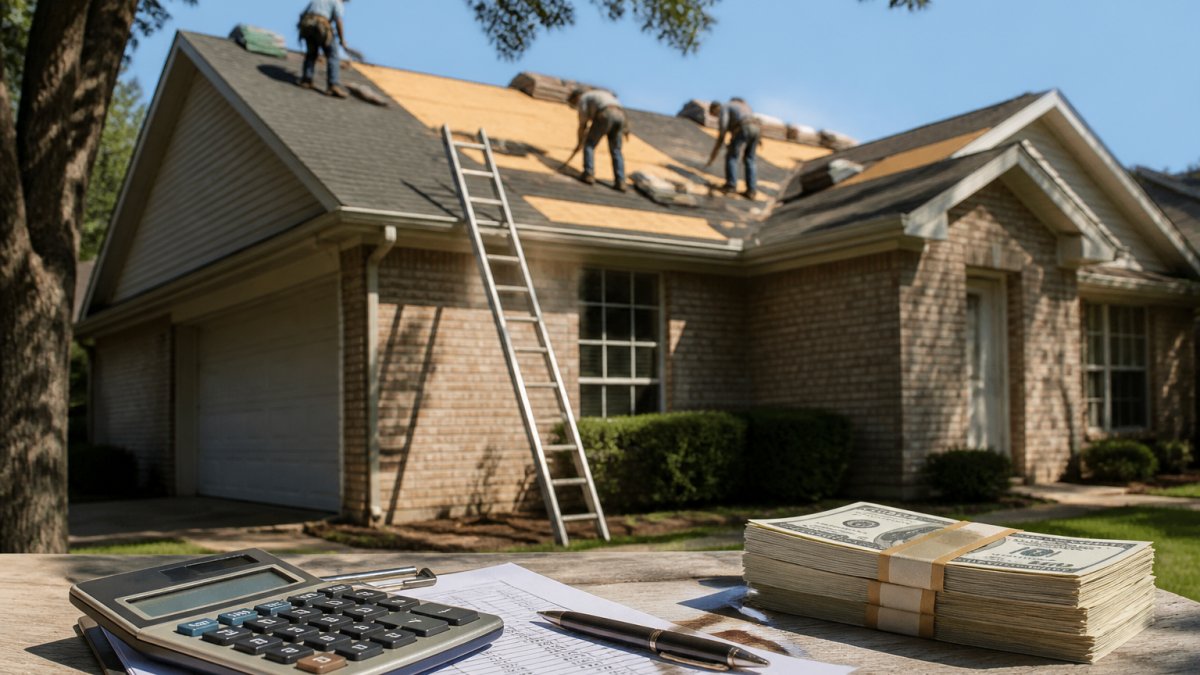
- Labor: tear-off, decking repair, installation, and cleanup crews. Labor is a major share of the total project cost and depends on the complexity of the roof.
- Tear-off and disposal: removing old layers and paying disposal fees. Cost rises with the number of layers.
A common mistake is comparing quotes by the bottom line alone. What most guides miss is that a low bid often skips decking repair or uses thinner underlayment. In practice, that gap shows up years later as a leak. Ask each contractor to specify the brand and grade of underlayment, the type of flashing, and whether decking repair is included or billed as an extra.
How Location and Season Affect Your Quote
Labor rates and material prices vary by region and even by season. In areas with frequent hail or high wind, upgraded impact-resistant shingles may be an option, and pricing for them depends on the product selected. Ask your contractor about available options.
The Role of Roof Complexity and Pitch
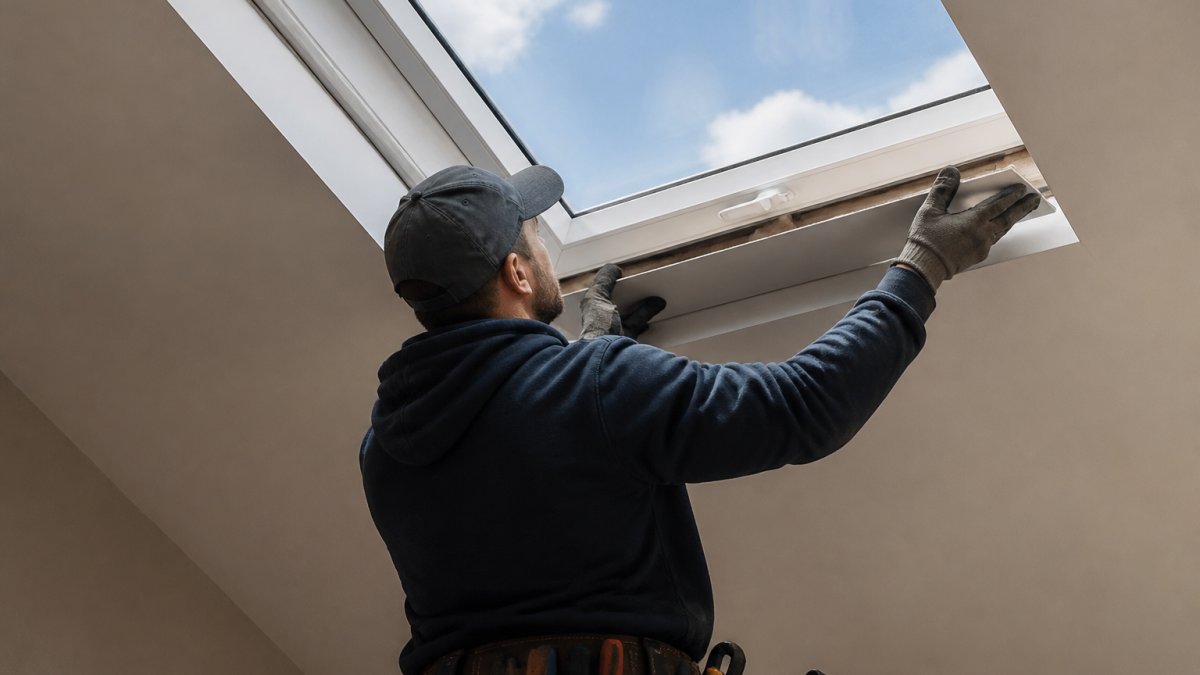
A simple gable roof with a low pitch is the least expensive to replace. Every valley, hip, dormer, and chimney adds labor and material waste. Steep roofs require additional safety equipment and slower installation, which can increase labor costs. Skylights add flashing complexity, and the flashing around one should be itemized in your quote.
How to Build a Roof Replacement Estimate Step by Step
You can build a rough roof replacement estimate yourself before you ever call a contractor. Here's how we'd do it:
- Measure your home's footprint in square feet, including overhangs.
- Estimate roof area by multiplying footprint by a pitch factor (a steeper roof has more surface).
- Divide total area by 100 to get your number of roofing squares.
- Add 10% for waste, valleys, and hips.
- Multiply squares by your material's cost per square.
- Add tear-off, disposal, and decking allowances.
- Add labor, then compare against real quotes.
Assumptions to Write Down Before You Call Anyone
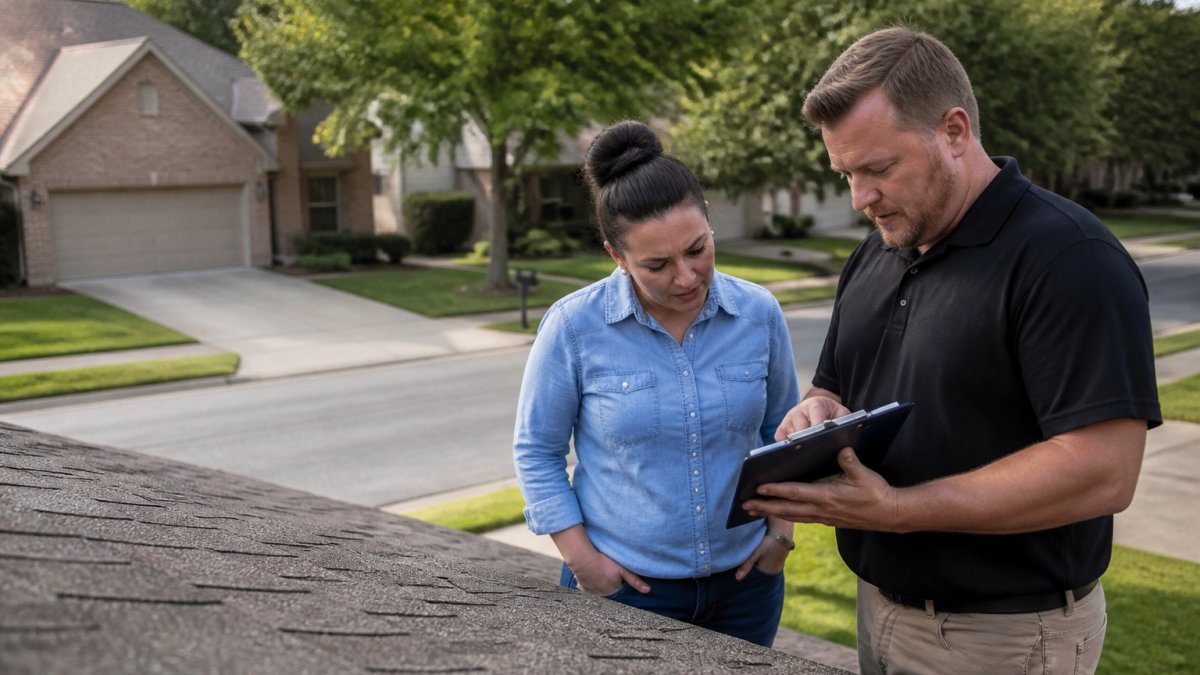
Jot these down first: your roof's age, the number of layers to remove, any known leaks, and whether you have a skylight or chimney to flash. These details change the scope, and a contractor who knows them upfront gives you a tighter estimate.
Roof Replacement Cost by Square Footage and Roofing Square
Roofers price by the roofing square, which is 100 square feet of roof surface. A 2,000-square-foot roof equals about 20 squares. Larger roofs cost more in total but often less per square, because setup and crew mobilization spread across more area.
To translate square footage into a ballpark cost, use the following table. These figures assume architectural asphalt shingles, a single-layer tear-off, and a roof with moderate complexity (some valleys and a chimney). They include materials, labor, and disposal.
| Roof Size (sq ft) | Roofing Squares | Typical Cost Range |
|---|---|---|
| 1,000 | 10 | $5,500 - $9,000 |
| 1,500 | 15 | $7,500 - $12,000 |
| 2,000 | 20 | $9,500 - $15,000 |
| 2,500 | 25 | $11,500 - $18,000 |
| 3,000 | 30 | $13,500 - $21,000 |
These ranges are for planning; your actual quote will depend on material choice, roof pitch, number of layers to remove, and local labor rates. For a closer look at how material choice shifts the math, see our breakdown of architectural shingles vs metal roofing costs.
How to Calculate Your Own Estimate
You can build a rough roof replacement estimate yourself before you ever call a contractor. Here's how we'd do it:
- Measure your home's footprint in square feet, including overhangs.
- Estimate roof area by multiplying footprint by a pitch factor (a steeper roof has more surface). A common pitch factor for a 6/12 roof is 1.12; for a 9/12 roof, it's 1.25.
- Divide total area by 100 to get your number of roofing squares.
- Add 10% for waste, valleys, and hips.
- Multiply squares by your material's cost per square (use the table above or get quotes).
- Add tear-off, disposal, and decking allowances from your contractor's quote.
- Add labor if not included in the per-square price, then compare against real quotes.
For example, a 2,000-square-foot footprint with a 6/12 pitch gives 2,240 square feet of roof area, or 22.4 squares. Add 10% waste, and you need about 25 squares of material. Multiply that by your quoted per-square price to estimate the total before decking repairs or permits.
Why Cost per Square Drops on Larger Roofs
Mobilization, setup, and tear-off of the first square are the most expensive. On a 10-square roof, fixed costs might add 20% to the per-square price; on a 30-square roof, those same costs spread out, reducing the per-square rate. However, larger roofs also have more potential for complex features, so the savings aren't automatic. Always compare quotes on a per-square basis after adjusting for complexity.
What About Roof Pitch and Access?
Steep roofs require additional safety measures and slower installation, and limited access can also affect cost. These factors should be itemized in your quote so you can see exactly what you're paying for.
Roof Replacement vs. Repair: Which One Fits Your Situation
Repair makes sense when damage is isolated: a few missing shingles, a small leak, a single flashing failure. Replacement wins when the roof is near the end of its service life, when leaks are spreading, or when storm damage covers a large area.
If you're unsure which side of that line you're on, our guide on how to tell if your roof needs replacement walks through the warning signs.
What the Roof Replacement Timeline Looks Like
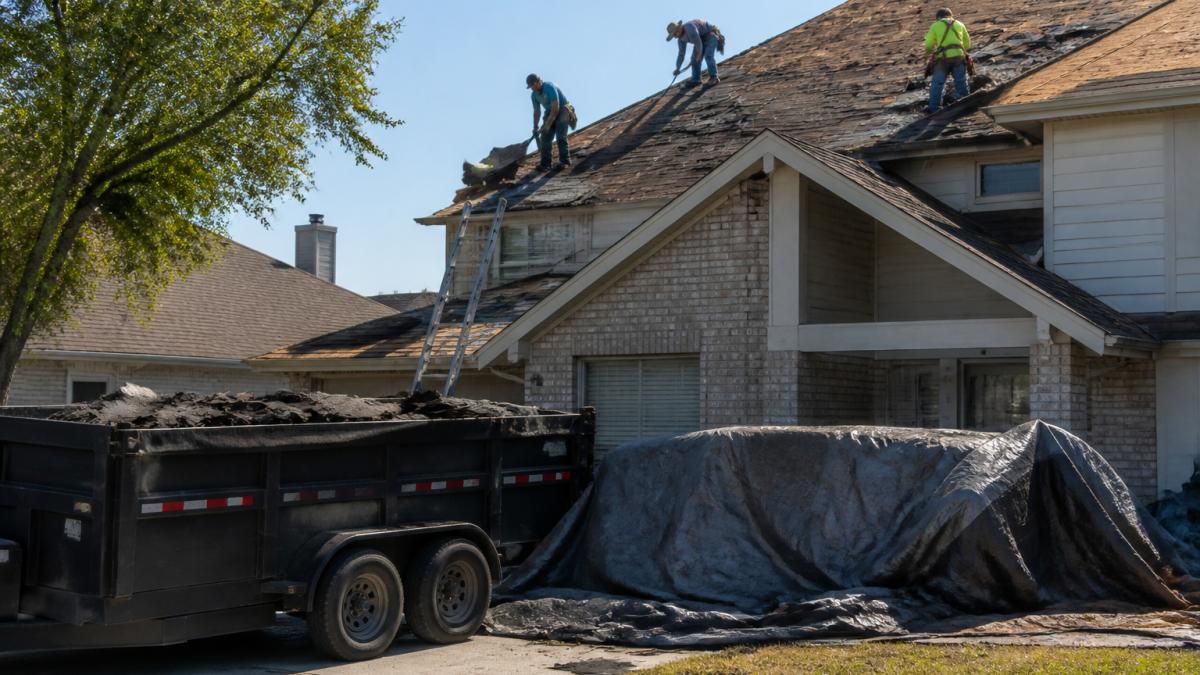
Timelines vary by project, and your contractor can give you an estimate for your roof. The roof replacement timeline runs: inspection and estimate, material ordering, tear-off, decking repair, installation, and final cleanup.
Comparing Contractor Quotes and Scope Checklists
Before you sign, compare quotes line by line, not just by total. Use this checklist:
- Written scope listing materials, brands, and underlayment
- Tear-off and disposal included
- Decking repair allowance stated
Our guide on the 7 questions to ask a roofer covers what a solid estimate should reveal. When you're ready to move forward, you can request a roof replacement quote from our team.
Frequently Asked Questions
How much is a roof replacement on a 2,200-square-foot house?
A 2,200-square-foot home usually works out to roughly 22 to 24 roofing squares once you account for pitch and overhangs, so the roof replacement cost scales with that square count rather than the floor plan alone. The final number depends on the material you pick, how many layers get torn off, decking condition, and local labor rates. Rather than trusting a national average, ask for a written roof replacement estimate that lists squares, material grade, tear-off, and disposal as separate line items so you can compare it fairly.
What factors affect the cost of a roof replacement?
The biggest drivers are roof size in squares, material choice, and labor. Steep pitch, complex roof shape, dormers, and limited accessibility slow crews down and raise labor. Layered shingles mean more tear-off and disposal. Damaged decking or structural issues add carpentry. Regional pricing and seasonal demand move the number too. Ask each contractor which of these factors apply to your roof and have them show it in the scope, not just in a lump-sum figure.
How can I compare roof replacement estimates fairly?
Put every quote on the same page. Check that each one lists the same square count, the same shingle line or material grade, tear-off and disposal, underlayment, flashing, ridge venting, and any decking repair allowance. Ask whether permits and cleanup are included. A lower bid that skips tear-off or uses a thinner product is not cheaper, it is a different job. Line-by-line scope comparison is the only way to see which roof replacement estimate actually covers the work.
When should I replace my roof instead of repairing it?
Repair makes sense for isolated damage on a roof with years of service left. Replacement becomes the better call when shingles are curling or granule loss is widespread, when leaks show up in several spots, or when the roof is past its expected service life. The roof replacement vs. repair decision also depends on whether a repair will match the rest of the roof and whether you plan to sell. A free inspection gives you the condition facts you need before you decide.
Replacing a roof is a big decision, and getting a clear, honest estimate shouldn't be hard. Astro Roofing offers free estimates and inspections, is fully insured, and brings over 30 years of local experience to every job. Call 817-285-7663 or email Astroroof@yahoo.com to get started and protect your home from water damage.