 how-to
Does Your Property's Curb Appeal Need a Gutter Fix?
Last Updated: November 1, 2026
Quick Summary
Yes, a gutter fix is often one of the cheapest ways to improve curb appeal on a rental property. Sagging, overflowing, or detached gutters leave streaks on siding and pool water near the foundation, which makes a home look neglected before a tenant ever steps inside.
- Check that gutters are attached, pitched correctly, and free of debris during every walkthrough.
- Confirm downspouts drain several feet away from the foundation.
- Walk the property after strong wind or hail and inspect gutters for damage.
- Rank upgrades by vacancy risk first, then by score across cost, effort, visibility, and impact.
- Standardize paint, house numbers, and plants across the portfolio for consistent, faster repairs.
Table of Contents
- Why Curb Appeal Matters for Rental Property Value
- Rental Property Curb Appeal Checklist for Property Managers
- Property Management Exterior Maintenance Checklist by Season
- Gutter Maintenance After Severe Storms
- Low-Maintenance Curb Appeal Ideas That Hold Up Across Multiple Properties
- Budgeting and Prioritizing Curb Appeal Upgrades
- Scheduling Your Next Exterior Inspection with Astro Roofing
- Frequently Asked Questions
Contact Astro Roofing: Email Astroroof@yahoo.com | Phone 817-285-7663
Why Curb Appeal Matters for Rental Property Value
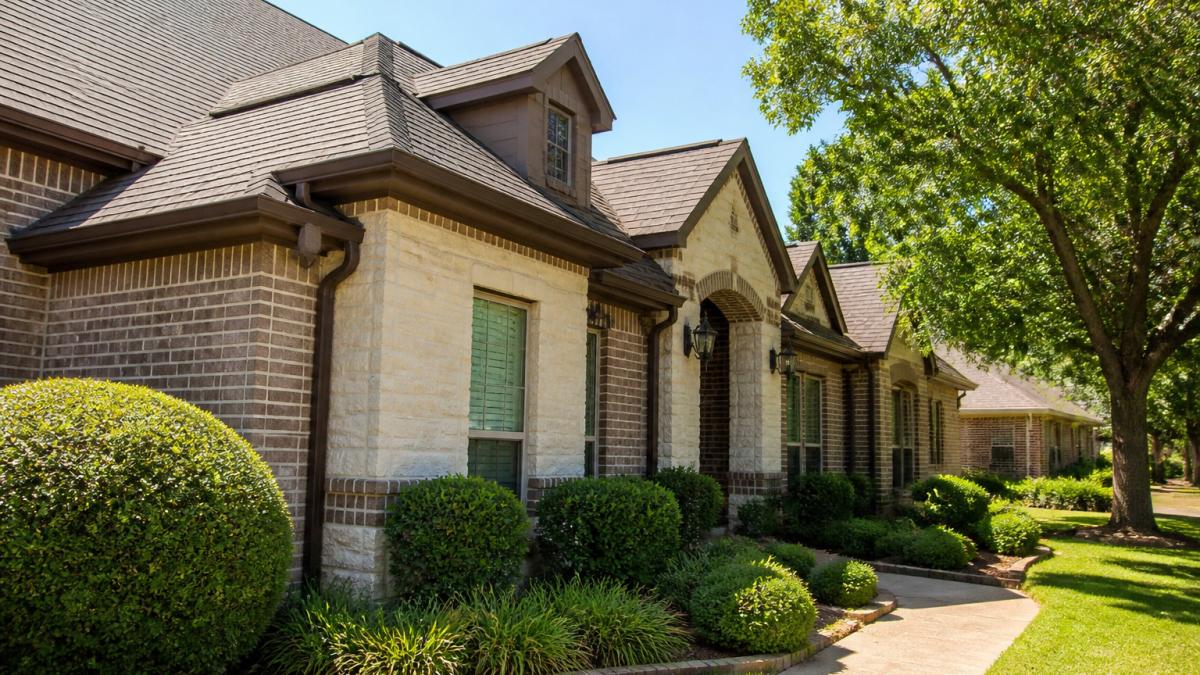
Curb appeal is the first impression a rental property makes, and it shapes whether a prospective tenant even steps inside. Astro Roofing has over 30 years of industry experience, and a clean, well-kept exterior signals that the owner cares about the whole property.
Tenants compare listings quickly. A home with sagging gutters, water stains on the fascia, or a worn roofline can look neglected before anyone reaches the front door. That first impression affects how long a unit sits empty.
Gutters play a bigger role in curb appeal than most people expect. Overflowing or detached gutters leave dark streaks down siding and pool water near the foundation. Fixing them protects the structure and the look of the home at the same time.
Rental Property Curb Appeal Checklist for Property Managers
Use this checklist during every walkthrough before a unit goes on the market:
- Check that gutters are attached, pitched correctly, and free of debris
- Look for stains, streaks, or sagging near the eaves and fascia
- Confirm downspouts drain several feet away from the foundation
- Inspect the roofline for missing, cracked, or curling shingles
- Walk the front yard and remove dead plants, weeds, and trash
- Check the front door, house numbers, and entryway lighting
- Clean windows and window boxes so they reflect the property well
- Note any fresh paint or exterior touch-ups needed before listing
A quick pass with this list catches problems that are cheap to fix now and expensive to explain to a tenant later.
Property Management Exterior Maintenance Checklist by Season
Exterior upkeep follows the weather. Plan your work around the seasons:
- Spring: Clean gutters after winter, inspect for storm damage, and refresh landscaping
- Summer: Check exterior paint, caulk, and window seals in the heat
- Fall: Clear leaves from gutters and downspouts before the first hard rain
- Winter: Look for ice dams, sagging gutters, and roof leaks after freezing weather
Seasonal checks spread the workload across the year. They also catch small issues before a single bad storm turns them into a repair bill.
Gutter Maintenance After Severe Storms
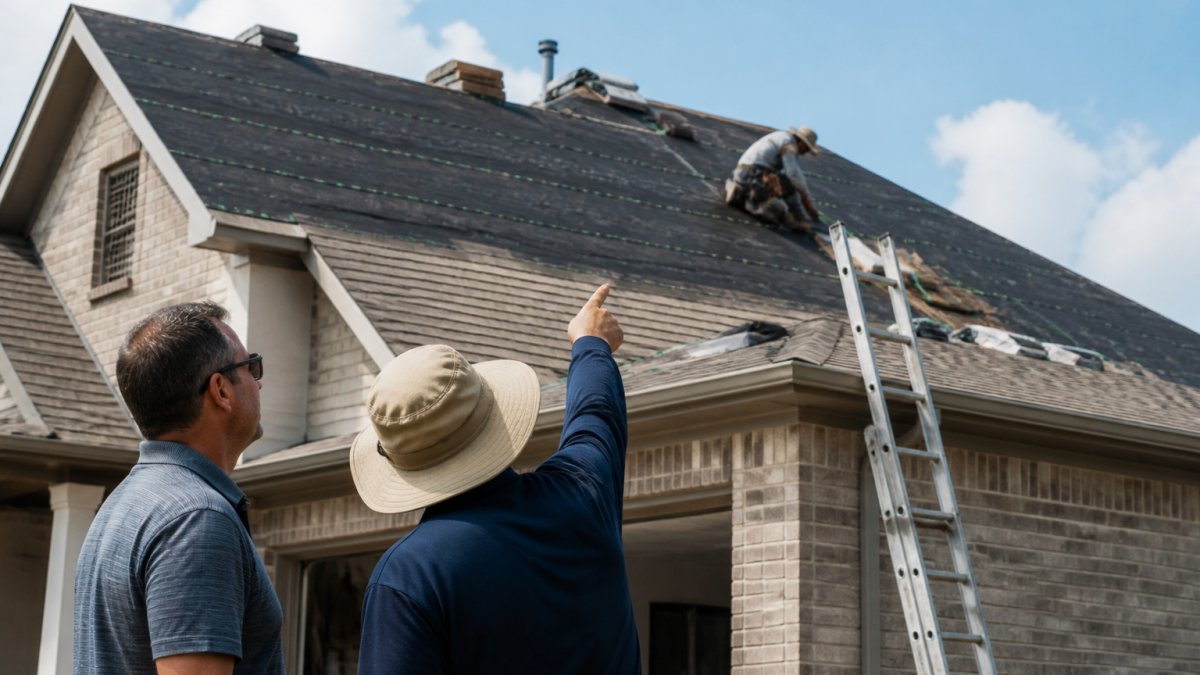
Severe storms can bend gutters, pull them off fascia boards, and fill them with debris. Walk the property after any strong wind or hail event and look at the gutter line from the ground.
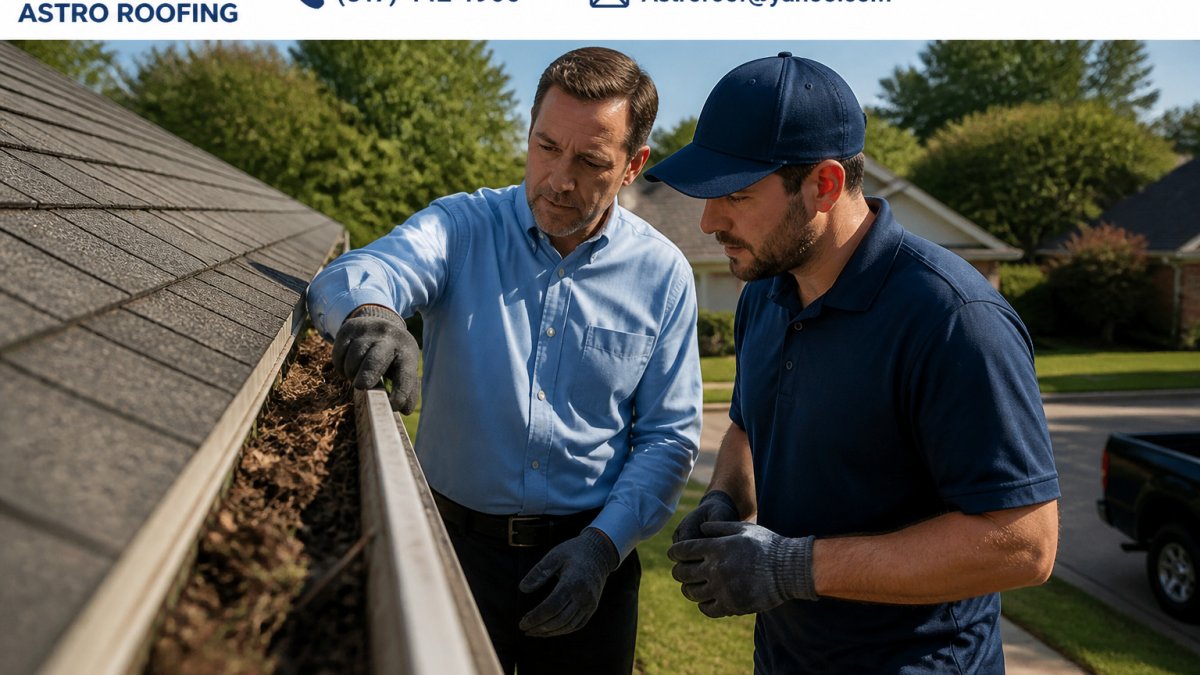
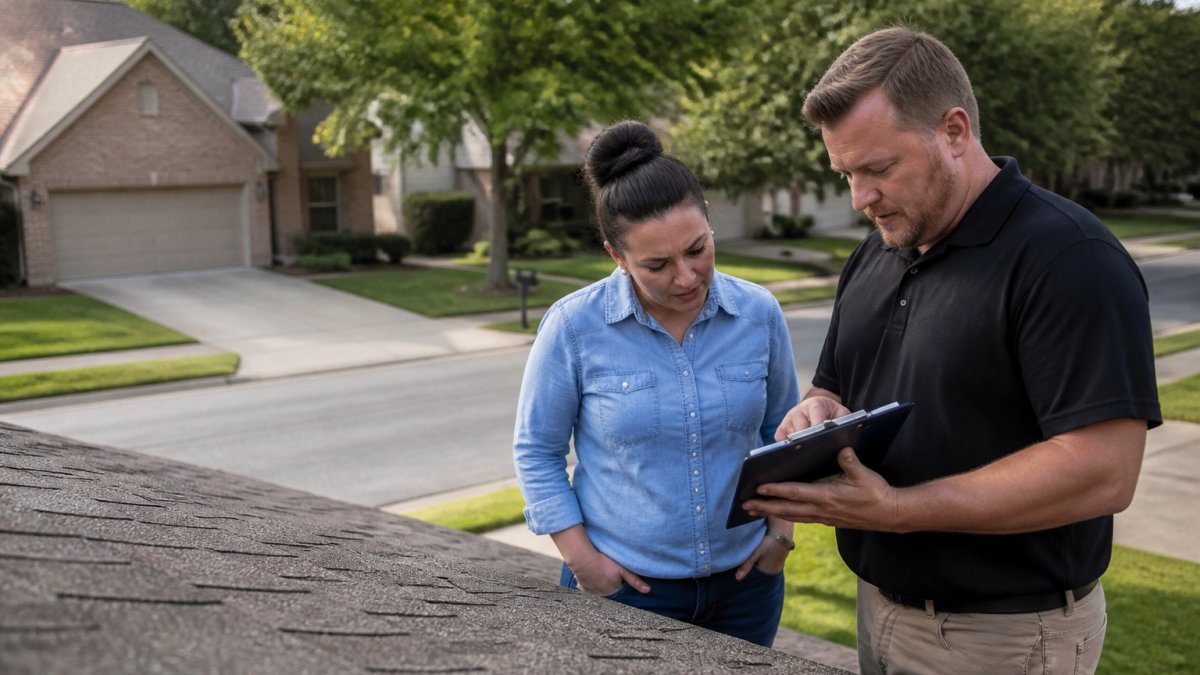
A property manager on a sunny morning inspection will usually start at the lowest gutter sections, where water collects first. Gutter damage often hides behind landscaping, so a close look matters.
Our team at Astro Roofing recommends a few steps after a storm:
- Clear debris from the gutters and downspouts
- Check for dents, gaps, and separated seams
- Confirm the gutters still slope toward the downspouts
- Photograph any damage before repairs begin
Landlords and property managers should also know who handles exterior repairs under the lease. Your lease and local rules set those responsibilities. For questions about your specific situation, page: read our guide on gutter maintenance for rental properties for a clear breakdown of landlord duties and cleaning schedules. For longer-term protection beyond the immediate cleanup, see long-term property protection for gutter maintenance. If storm damage has also affected the roof, emergency temporary covering options for storm damage can help you compare tarping materials while permanent repairs are scheduled.
Low-Maintenance Curb Appeal Ideas That Hold Up Across Multiple Properties
Managing several units means choosing upgrades that survive without constant attention. The goal is not the most striking yard on the block; it is the yard that looks cared for on the fewest service visits. That changes what you specify.
Choose plants by maintenance profile, not by look
Favor categories that tolerate neglect and need little pruning or watering once established:
- Ornamental grasses and native perennials for beds, they fill in, resist drought, and rarely need replacing.
- Evergreen shrubs for structure, they hold their shape year-round and hide foundation lines.
- Groundcover instead of bare mulch in hard-to-mow corners, fewer weed pulls and less edging.
Avoid fast-growing hedges that need monthly trimming, annuals that must be replanted every season, and anything that drops heavy fruit or sap onto walkways and roofs. A common pattern is that the cheapest plant at purchase becomes the most expensive over five years of trimming and replacement.
Specify durable exterior materials
- Paint: choose a mid-tone, dirt-hiding color in a quality exterior grade; light colors show streaks from gutter overflow, and very dark colors show chalk and fade. Standardize one palette across the portfolio so touch-ups match.
- Gutters and downspouts: seamless aluminum in a factory finish resists streaking better than painted field-cut sections, and properly sized downspouts that discharge several feet from the foundation reduce staining and foundation moisture.
- House numbers and mailboxes: powder-coated or stainless hardware outlasts painted finishes that peel in sun and weather.
- Entry lighting: fixtures with photocell or timer control run without tenant intervention and reduce callbacks.
Standardize the portfolio
Using the same paint color family, the same house numbers, and a similar plant list across properties does two things: it makes the portfolio look consistently cared for, and it lets you keep a small stock of matching materials for fast repairs. Standardization also shortens turnover prep because crews already know the spec.
Plan for the maintenance you are choosing
Every low-maintenance choice still has a maintenance profile. Ornamental grasses need an annual cutback; evergreens need occasional shaping; gutters need clearing. Write the profile into the property file so the seasonal checklist reflects what was actually installed, and so a future manager does not undo a good spec with the wrong replacement.
Consistency across properties also helps. Using the same paint color family, the same house numbers, and similar landscaping makes a portfolio look cared for and easier to maintain.
Budgeting and Prioritizing Curb Appeal Upgrades
Most curb appeal advice stops at "fix the important stuff first." Property managers need a repeatable way to rank work across a portfolio, because every dollar and every crew hour spent on one unit is a dollar and an hour not spent on another. The method below turns a long punch list into a defensible capital plan.
Score every item on four factors
For each candidate improvement, assign a simple 1-5 score on four dimensions:
- Cost: 1 = highest cost, 5 = lowest cost. Use your own vendor quotes, not list prices.
- Effort: 1 = most labor and coordination, 5 = least. Consider whether it needs a licensed trade, a permit, or tenant coordination.
- Visibility: 1 = barely noticed from the street or listing photos, 5 = dominates the first impression. Gutters, roofline, entry door, and lawn are almost always high-visibility.
- Impact: 1 = cosmetic only, 5 = prevents deterioration or protects the structure. Water management items score highest here.
Multiply the four scores. Items that score high on cost-effectiveness, low effort, high visibility, and high impact rise to the top. This keeps the conversation about gutters and roofline honest: they are rarely the most glamorous line item, but they usually win on impact because water damage compounds.
Separate the budget into three buckets
A workable portfolio budget splits into:
- Protect the asset (do first): active leaks, loose or detached gutters, failed downspout drainage, missing shingles, fascia rot. These are not optional; deferring them raises the eventual repair scope.
- Prepare for turnover (do before listing): cleaning, paint touch-ups, entry lighting, house numbers, lawn and bed cleanup. These drive inquiries and showing conversion.
- Portfolio standard (do once, repeat): a consistent paint palette, matching house numbers, and a standard plant list. Standardizing reduces decision time and lets you buy in bulk.
Rank by turnover timing, not just by property
A unit that is vacant or about to turn should jump the queue for bucket-two work, because every extra vacancy day costs more than most cosmetic upgrades. A unit with a stable, renewing tenant can wait for bucket-three standardization. This is the single biggest difference between a homeowner's curb appeal plan and a manager's: the manager is optimizing leasing outcomes and maintenance cost across many doors, not maximizing one house.
Build a simple tracking sheet
Keep one row per property with columns for item, bucket, the four scores, vendor quote, status, and completion date. Review it at each turnover and once per season. Over a year or two, the sheet shows which upgrades actually reduced calls and shortened vacancy, which is the only reliable way to know where the next dollar should go.
For current pricing on gutter or roofing work, contact Astro Roofing directly for a free estimate.
The article's scoring method ranks each upgrade across four factors, so the factors are summarised below.
| Factor | Scale | What it measures |
|---|---|---|
| Cost | 1 = highest, 5 = lowest | Based on your own vendor quotes |
| Effort | 1 = most, 5 = least | Licensed trade, permit, or tenant coordination |
| Visibility | 1 = barely noticed, 5 = dominates | First impression from the street or listing |
| Impact | 1 = cosmetic, 5 = protects structure | Water management items score highest |
Scheduling Your Next Exterior Inspection with Astro Roofing
If your rental properties have gutter damage, roof wear, or water problems, a professional inspection gives you a clear plan. Astro Roofing offers free estimates and inspections, and our team is fully insured and locally operated. We serve Hurst, Euless, Bedford, North Richland Hills, Richland Hills, Watauga, Colleyville, Grapevine, and Keller.
Our crew handles roofing and gutter work for residential properties.
Call Astro Roofing at 817-285-7663 or email Astroroof@yahoo.com to schedule your inspection. Explore our services to see the full range of roofing and gutter work we offer.
Frequently Asked Questions
What adds curb appeal to a rental property?
Tenants form their first impression from the street, so the most effective upgrades are the visible ones: a trimmed, well-kept lawn, clean and intact gutters, a fresh coat of exterior paint on the front door and trim, working entryway lighting, and clean windows. These improvements cost far less than a full renovation and make a listing easier to photograph and easier to rent. Start with the front elevation and work outward, since that is what prospects see first in listing photos and on drive-bys.
How often should property managers inspect gutters and roof edges?
Inspect gutters and roof edges at least twice a year, typically in late spring after the heaviest storm season and again in late fall before winter. Add an inspection after any severe storm with high winds or hail, since debris and loosened fasteners often show up only after the event. Clogged or sagging gutters can cause water to back up under shingles and stain siding, so catching problems early keeps repair costs contained. Astro Roofing offers free inspections.
Which curb appeal improvements are easiest to maintain across multiple properties?
Choose durable, low-maintenance materials and plant choices: hardy native shrubs, mulched beds instead of high-demand annuals, pale or neutral exterior paint with durable finishes, and LED fixtures that last longer than older bulbs. Standardizing products across units simplifies ordering, reduces the number of vendors you coordinate, and makes routine checks faster. Consistent exterior finishes also make a multi-unit property look cohesive from the street.
How can property managers create a seasonal exterior maintenance checklist?
Build the checklist around four seasonal blocks: spring for lawn, beds, power washing and gutter cleaning; summer for irrigation checks, paint touch-ups and window cleaning; fall for leaf removal, gutter clearing and roof edge inspection; and winter for walkway safety, lighting checks and storm damage review. Assign each task an owner, a frequency and a completion date, and keep photos of each property so changes are easy to track. Review the list after every major storm to add any urgent repairs.