 how-to
Skylight Repair Services: What You Need to Know
Last Updated: October 26, 2026
Quick Summary
Skylight repair services address the root cause of failure, whether from deteriorated flashing, cracked glass, failed seals, or frame damage. Professional assessment determines whether repair or replacement is the right solution for your specific skylight problem.
- Deteriorated flashing is the most common skylight failure point and often can be repaired by re-sealing or replacement.
- Distinguish between active leaks from water intrusion and condensation from humidity, as they require different solutions.
- Repair makes sense for skylights under 15 years old with localized damage, while replacement is better for units over 25 years old or with multiple failures.
- Regular annual inspections and caulk refresh every 10-15 years prevent most common skylight problems.
- Contact Astro Roofing at 817-285-7663 or Astroroof@yahoo.com for a free inspection and estimate.
Table of Contents
- Contact Astro Roofing for Expert Skylight Repair Services
- Common Skylight Problems and Leaking Skylight Causes
- How to Identify a Leaking Skylight
- Emergency Skylight Leak Repair: Temporary Steps and Professional Response
- Skylight Flashing Repair and Weatherproofing
- Skylight Repair or Replacement: How to Decide
- Preventive Maintenance and Inspection
- Getting Your Free Skylight Inspection and Estimate
- Frequently Asked Questions
Astro Roofing Email: Astroroof@yahoo.com | Phone: 817-285-7663
Contact Astro Roofing for Expert Skylight Repair Services
When a skylight starts leaking, the damage spreads fast. Water intrusion compromises insulation, stains ceilings, and creates conditions for mold growth in your attic. The difference between a quick fix and a lasting solution often comes down to understanding what's actually broken.
Skylight repair services address the root cause of failure, not just the symptom. A leaking skylight might stem from failed seals, cracked glass, deteriorated flashing, or frame damage. Each requires a different approach. Some homeowners attempt temporary patches that fail within months. Others replace the entire unit when repair would have solved the problem for years to come. This guide walks you through identifying what's wrong, deciding whether to repair or replace, and understanding what professional skylight repair services involve.
We've included practical troubleshooting steps, a repair-versus-replacement framework, and guidance on when to call a professional. Keep reading to understand the process first.
Common Skylight Problems and Leaking Skylight Causes
Skylights fail for predictable reasons. Understanding the cause determines whether repair is viable or replacement is necessary.
Water Intrusion and Condensation
Water enters a skylight through failed weatherproofing or structural gaps. The most common culprit is deteriorated flashing, the metal trim that seals the skylight to the roof. Over time, caulk cracks, fasteners loosen, and the flashing separates from the roof deck. Water runs down the exterior and finds its way inside.
Condensation appears differently. It forms on the interior surface when warm, humid air inside your home contacts cold glass. This happens most often in winter or in bathrooms and kitchens where moisture is high. Condensation typically drips but doesn't stain or damage wood, it's a sign of humidity imbalance, not a structural leak.
Distinguishing between the two matters. A true leak requires flashing repair or skylight replacement. Condensation often improves with better attic ventilation or a dehumidifier. Many homeowners mistake condensation for a leak and pay for unnecessary repairs.
Cracked Glass and Failed Seals
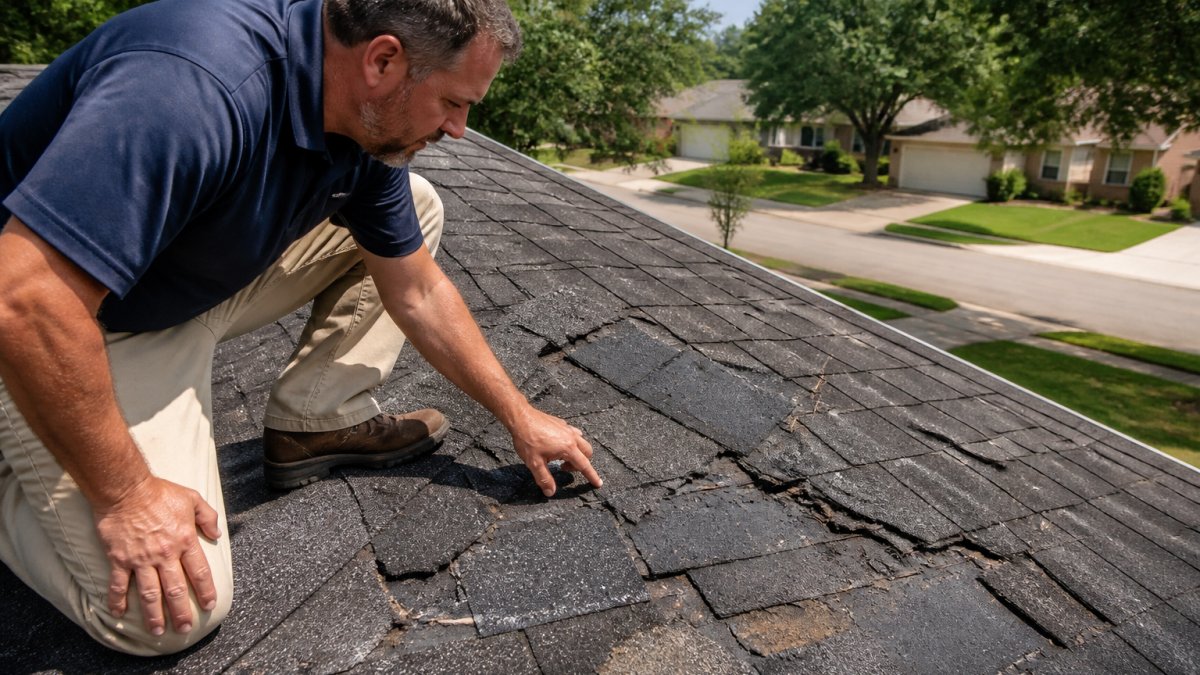
Tempered glass skylights are durable, but impact damage, thermal stress, or manufacturing defects cause cracks. A small crack may seem harmless, but it compromises the seal and allows water penetration during heavy rain or snow melt. Cracked glass cannot be repaired, the panel must be replaced.
Failed seals between glass panes trap moisture inside the cavity. You'll see fogging or condensation that won't clear. This indicates the seal has broken and water vapor is entering the space. A failed seal requires glass replacement, not a simple caulk job.
Frame deterioration is less visible but equally serious. Wooden frames absorb moisture and rot over decades. Metal frames can corrode. When the frame fails, the entire skylight loses structural integrity and must be replaced.
How to Identify a Leaking Skylight
The first step is confirming you have an active leak versus condensation or an old stain.
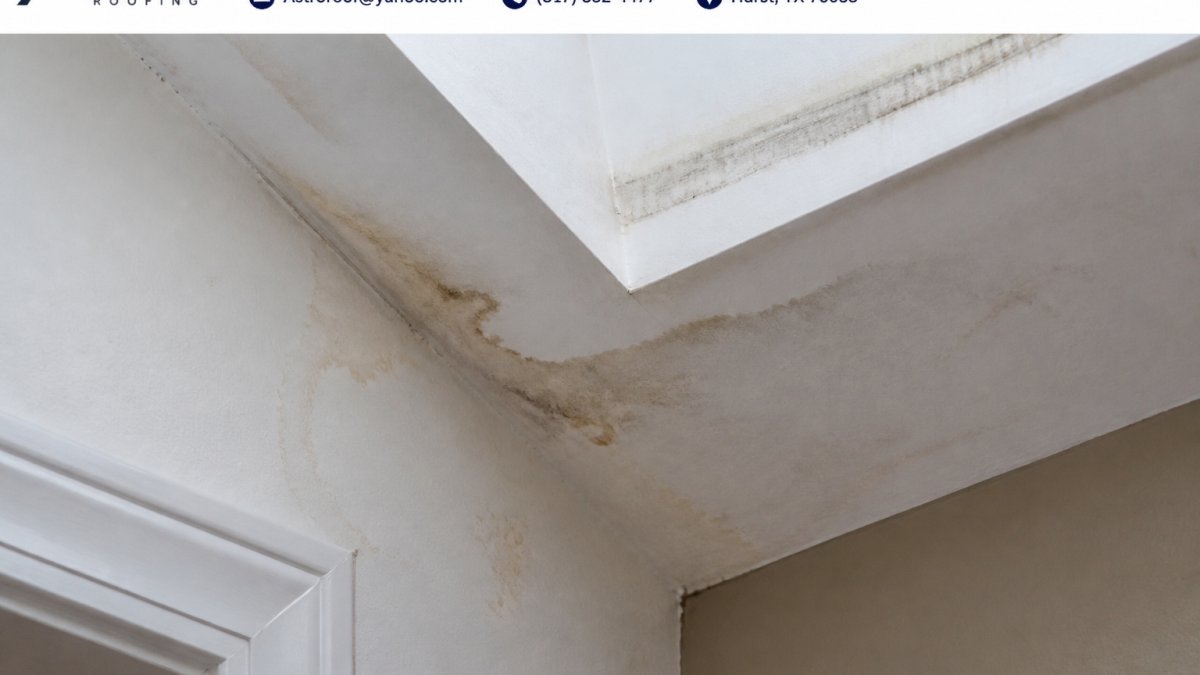
Check for active water entry. During or immediately after heavy rain, look inside your attic or the space directly below the skylight.
Inspect the glass and frame from inside. Look for visible cracks in the glass, cloudy or fogged panes (indicating seal failure), or water pooling on the interior sill.
Examine the exterior flashing. From the roof (safely, using a ladder), inspect the metal flashing around the skylight base.
Test the weatherproofing. On a dry day, spray water around the flashing using a garden hose while someone watches inside for drips. This pinpoints where water enters.
Document what you find. Take photos of damage, stains, or cracks. This helps a professional diagnose the issue and speeds up the estimate process.
Emergency Skylight Leak Repair: Temporary Steps and Professional Response
If you have an active leak during heavy rain, water is entering your home now. Temporary measures buy time until professional repair.
Immediate temporary fixes:
Stop water from spreading inside. Place buckets or tarps under the drip to catch water and prevent damage to insulation, drywall, or belongings.
From outside (if safe to access), clear debris from the skylight frame and roof around it. Learn temporary solutions for stopping roof leaks during heavy rain to manage active water entry while awaiting professional help.
For condensation or minor seepage, improve ventilation. Open windows or run bathroom exhaust fans to reduce humidity. This often stops condensation-related dripping within hours.
When to call a professional immediately:
If water is entering actively and you cannot stop it, contact a professional right away. Large volumes of water indicate structural failure. Prolonged water exposure damages insulation, promotes mold, and weakens roof framing.
Many homeowners delay calling because they think repair is expensive.
Skylight Flashing Repair and Weatherproofing
The flashing is the most common failure point in skylight systems. It's also one of the most repairable issues.
Flashing is the metal (usually aluminum or galvanized steel) that seals the joint between the skylight frame and the roof deck.
Flashing repair involves:
Removing old caulk and sealant around the flashing perimeter. This reveals the actual condition of the metal and the seal.
Inspecting for rust, corrosion, or separation from the roof deck. Minor surface rust can be sanded and repainted. Severe corrosion or gaps may require flashing replacement.
Re-sealing with high-quality roofing cement or polyurethane sealant. Proper application creates a watertight barrier that lasts 10-15 years before needing refresh.
For curb flashing (the frame that sits on the roof), the repair may also include re-securing fasteners or replacing deteriorated gaskets.
Flashing replacement becomes necessary when corrosion is extensive, the metal is bent or damaged, or the original flashing design is inadequate.
The cost and complexity of flashing repair varies. A simple re-seal takes a few hours.
Skylight Repair or Replacement: How to Decide
Not every leak means you need a new skylight. The decision depends on the type of damage, the age of the unit, and your long-term plans for the home.
When Repair Makes Sense
Repair is the right choice when the damage is localized and the skylight is otherwise sound.
Flashing failure with an intact frame and glass, re-seal or replace the flashing. Cost is moderate, and success rate is high.
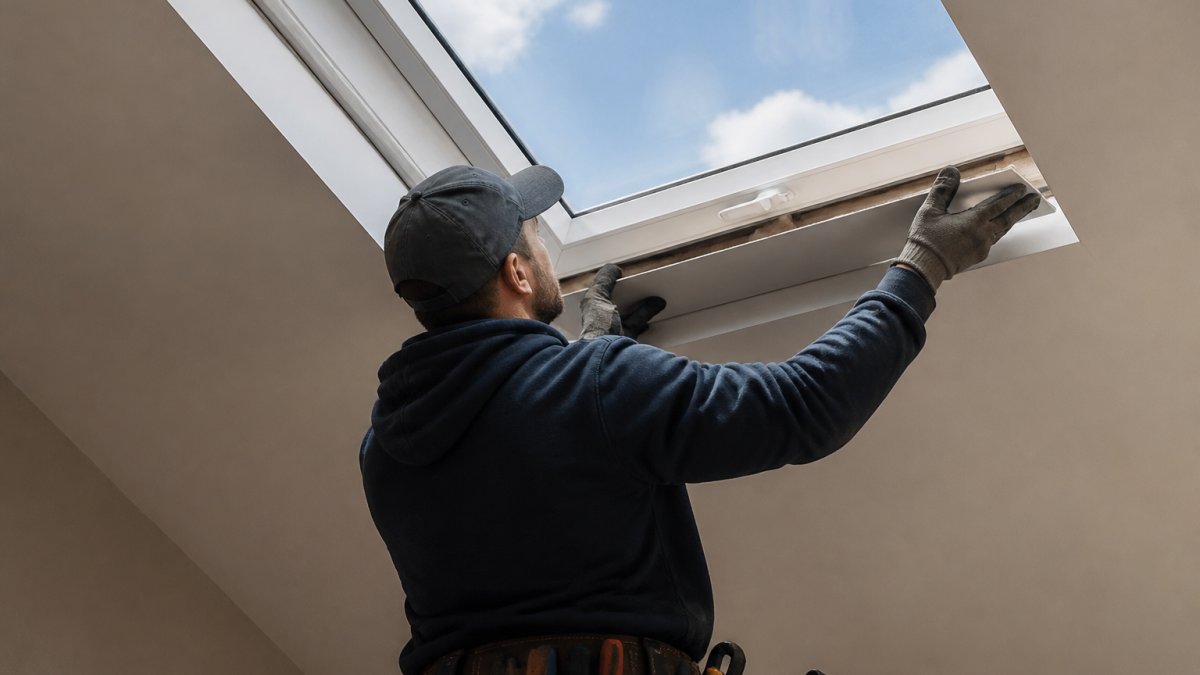
Condensation or fogging from a failed seal, if only the seal has failed and the frame is solid, glass replacement addresses the issue. The skylight stays in place; only the glazing is replaced.
Minor frame damage like loose fasteners or small cracks in caulk, these are quick fixes that extend the skylight's life years.
Skylights under 15 years old generally warrant repair. The unit has useful life remaining, and the investment in repair pays off.
Budget constraints, repair costs a fraction of replacement. If your concern is immediate water damage prevention, repair solves it while you plan for future replacement.
When Replacement Is the Better Choice
Replacement makes sense when repair is temporary or when the skylight is near end of life.
Extensive frame rot or corrosion, if the frame is compromised, repair won't hold. Replacement ensures a solid installation.
Multiple failures (cracked glass AND failed seal AND deteriorated flashing), addressing each separately is costly and time-consuming. One replacement solves all issues at once.
Skylights over 25 years old, older units are nearing the end of their service life.
Energy efficiency goals, modern skylights include low-emissivity coatings, better insulation, and improved seals. If you're upgrading your home's efficiency, replacement is an investment in long-term utility savings.
Recurring leaks after repair, if the same skylight leaks again within 2-3 years of repair, the underlying design or installation is inadequate. Replacement with a better-designed unit prevents future problems.
Learn about repair and replacement cost factors to compare your options in detail.
Use this framework to determine whether repair or replacement is the right choice for your skylight.
| Situation | Best Choice | Why |
|---|---|---|
| Flashing failure, intact frame and glass | Repair | Localized damage, high success rate |
| Failed seal, solid frame | Repair | Glass replacement solves the issue |
| Minor frame damage or loose fasteners | Repair | Quick fixes extend skylight life |
| Skylight under 15 years old | Repair | Unit has useful life remaining |
| Extensive frame rot or corrosion | Replacement | Repair won't hold long-term |
| Multiple failures at once | Replacement | More cost-effective than separate repairs |
| Skylight over 25 years old | Replacement | Near end of service life |
| Recurring leaks after repair | Replacement | Underlying design is inadequate |
Preventive Maintenance and Inspection
Regular maintenance extends the life of any skylight and catches problems before they become leaks.
Annual inspection:
Walk the roof (safely) once a year and visually inspect the flashing for cracks, rust, or separation. Check that caulk is intact and not peeling.
From inside, check the glass for cracks or fogging. Listen for wind noise around the frame, excessive noise suggests gaps in the seal.
Seasonal maintenance:
After heavy storms, inspect for new damage. After winter, check for ice dam damage or debris buildup. Before winter, clear leaves and debris from the skylight frame and gutters around it.
Caulk and sealant refresh:
Every 10-15 years, the sealant around the flashing degrades. Refresh it before leaks develop. This is a preventive expense that saves thousands in water damage repair later.
Attic ventilation check:
Proper attic ventilation reduces condensation. Ensure soffit and ridge vents are clear and functioning. Blocked ventilation traps moisture and accelerates skylight deterioration.
These simple steps prevent most common skylight failures. Many homeowners skip maintenance, then face expensive repairs that preventive care would have avoided.
Getting Your Free Skylight Inspection and Estimate
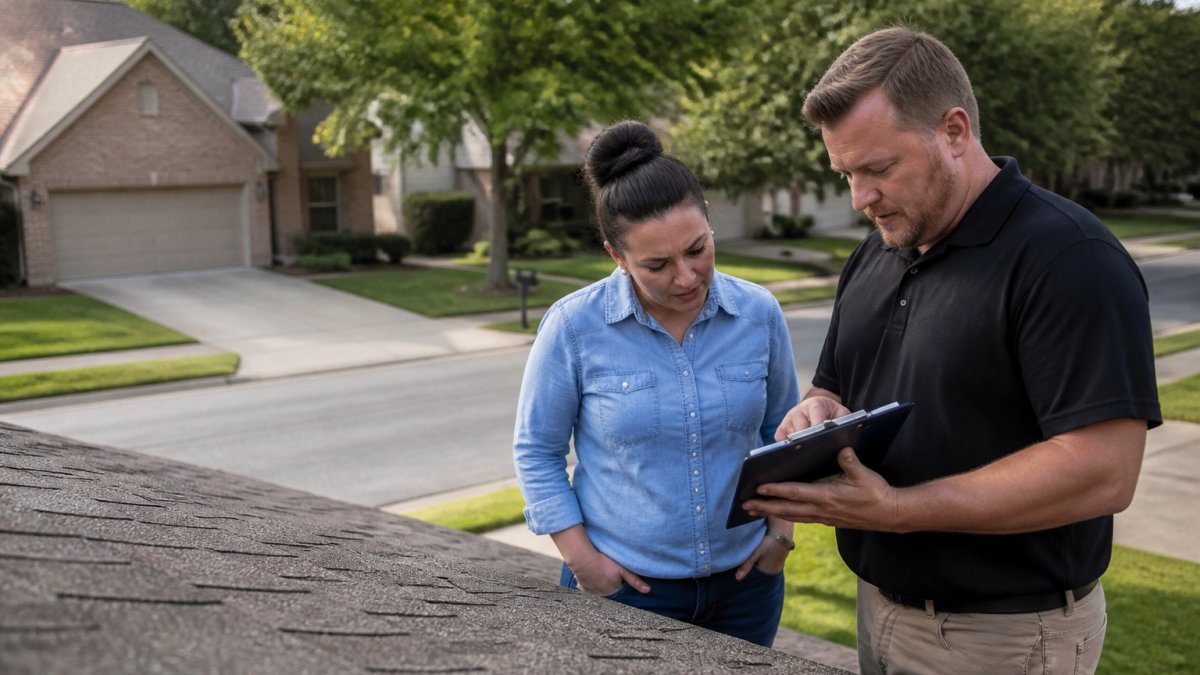
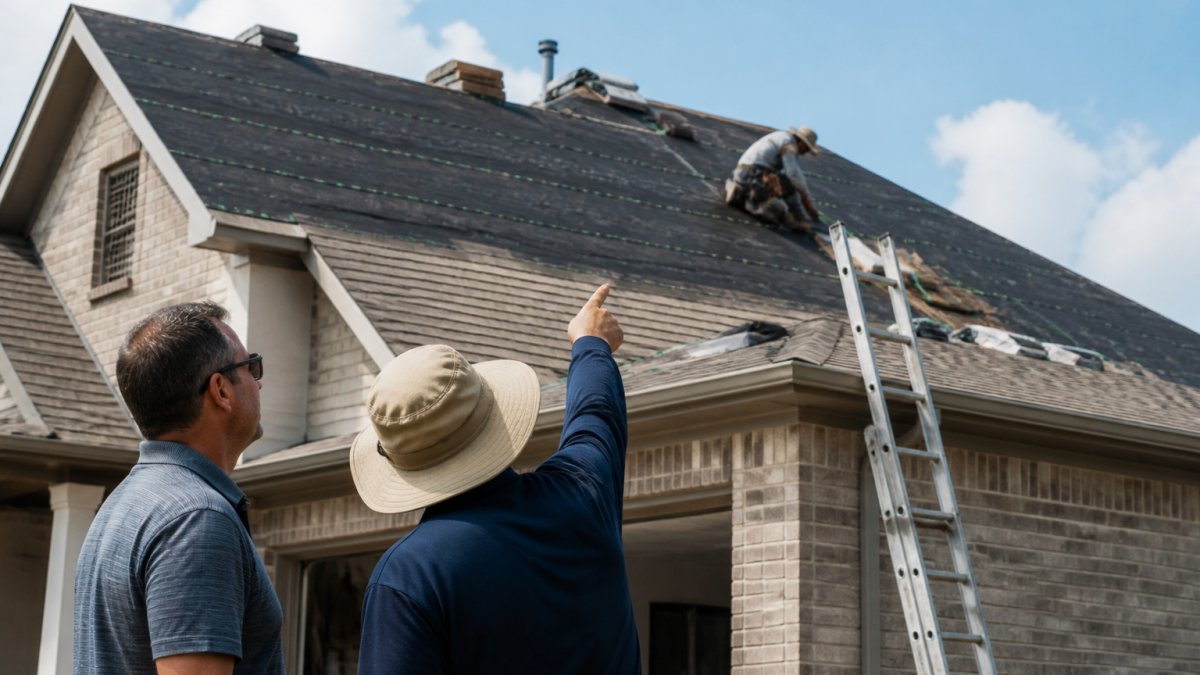
Astro Roofing provides free estimates and inspections for roofing and gutter services. We assess the damage, explain your options, and give you a clear picture of what repair or replacement involves.
During the inspection, we examine the roof and gutter systems. We test for active leaks and identify the root cause of failure.
Our team has 30+ years of experience with residential roofing and gutter systems. We're fully insured and committed to clear communication and professional work.
Schedule your free inspection by calling 817-285-7663 or emailing Astroroof@yahoo.com. Get in touch to request an estimate and discuss your roofing and gutter concerns with our team.
Why choose Astro Roofing for your roofing and gutter needs?
We handle a range of roofing and gutter issues, from emergency leak response to planned replacement. We diagnose accurately, explain options clearly, and deliver reliable repairs backed by professional craftsmanship.
Water damage from a failing roof or gutter system spreads quickly and costs far more than timely repair. Don't wait.
Frequently Asked Questions
How can you tell if a skylight is leaking?
Look for water stains, discoloration, or peeling paint on the ceiling around the skylight. Condensation buildup, mold growth, or a musty smell in the attic are also red flags. During or after heavy rain, check for active dripping or wet spots. If you notice any of these signs, contact a professional for a roof inspection to confirm the source and extent of the leak.
What are the most common leaking skylight causes?
Failed seals around the frame, damaged or deteriorated flashing, cracked or fogged glass, and poor installation are the primary causes. Water intrusion occurs when weatherproofing breaks down over time. Condensation between panes indicates a seal failure. Regular roof inspections help catch these issues early before they lead to water damage or mold in your attic.
Can a leaking skylight be repaired, or does it need to be replaced?
Many leaking skylights can be repaired through flashing replacement, seal resealing, or glass replacement, depending on the damage. However, if the frame is severely damaged, the glass is extensively cracked, or the unit is very old, replacement may be more cost-effective and durable. A professional inspection helps determine which option makes sense for your situation.
Can you temporarily stop a skylight leak during heavy rain?
Yes, you can apply temporary measures like caulking the visible gaps, placing a tarp over the exterior, or using waterproof sealant tape inside. However, these are short-term solutions only. Call a roofing professional immediately to schedule a proper repair. Temporary fixes prevent further water damage while you arrange professional skylight repair or replacement.