 comparison
Which Roofing Company Should You Choose?
Last Updated: October 25, 2026
Quick Summary
A trustworthy roofing company demonstrates experience, transparency, and accountability by providing proof of licensing and insurance, detailed written estimates, and clear communication about timelines and costs. Astro Roofing has spent over 30 years helping homeowners make informed decisions and offers free inspections and estimates.
- Ask contractors for proof of current insurance, including general liability and workers' compensation coverage, then verify directly with the insurer.
- Request a written estimate that itemizes materials, labor, timeline, and warranty terms rather than a vague lump-sum number.
- Confirm in writing who pulls the permit, who registers the manufacturer warranty, and how change orders are priced and approved before signing.
- A typical roof replacement takes 1-3 days depending on roof size and complexity, assuming good weather and no hidden structural damage.
- Schedule a professional inspection within 48 hours of a significant storm to document damage before filing an insurance claim.
Table of Contents
- What Makes a Roofing Company Trustworthy?
- Questions to Ask a Roofing Contractor Before Hiring
- How to Create a Roofing Estimate Checklist
- What to Do After Roof Inspection After a Storm
- Understanding Roof Replacement Timeline and Expectations
- Residential Roofing Services: Repair, Replacement, and Maintenance
- Getting Your Free Roofing Estimate Today
- Frequently Asked Questions
Contact Astro Roofing: 817-285-7663 or Astroroof@yahoo.com
Choosing the right roofing company is one of the most important decisions a homeowner can make. Your roof protects your home from weather, prevents water damage, and maintains curb appeal. At Astro Roofing, we've spent over 30 years helping homeowners make informed decisions. Here's what separates a reliable contractor from one that will leave you frustrated and out of pocket.
What Makes a Roofing Company Trustworthy?
A trustworthy roofing company demonstrates three core qualities: experience, transparency, and accountability. Look for contractors who show proof of licensing and insurance, provide detailed written estimates, and communicate clearly about timelines and costs. Many homeowners choose on price alone, then discover too late that the contractor cuts corners or disappears.
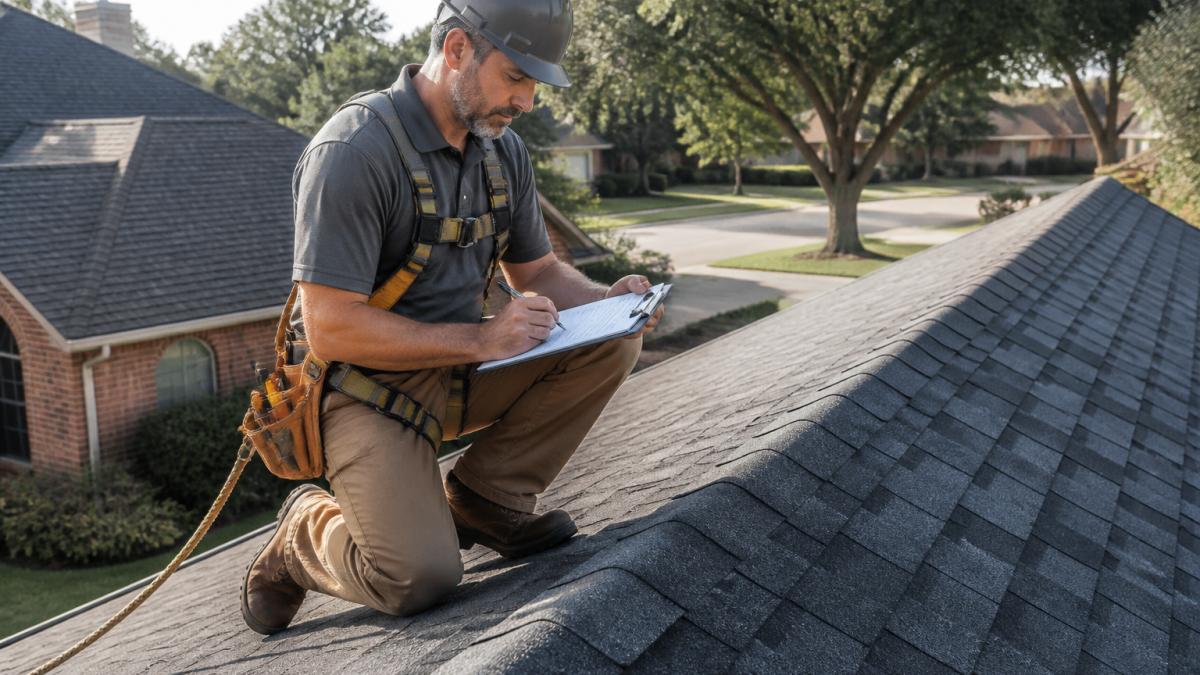
Experience matters. A roofing company with decades in the business has weathered market changes and built systems that work. Astro Roofing has handled thousands of roofs and offers free estimates and inspections so you can understand your roof's condition before committing.
Fully insured contractors protect you from liability if something goes wrong. Always ask for proof of insurance and verify it's current. An uninsured contractor might seem cheaper upfront, but one accident on your property could cost you tens of thousands in legal fees.
Transparency in estimates separates professionals from amateurs. A quality roofing company provides written estimates that itemize materials, labor, and timeline. Vague estimates should be a red flag.
Questions to Ask a Roofing Contractor Before Hiring
Most roofing articles hand you a list of questions but never tell you what a good answer sounds like or how to verify it.
Are you licensed and registered where required, and can I see the paperwork? Licensing rules vary by state and municipality, so ask what applies to your address.
Who will actually be on my roof, your employees or subcontractors? Almost nobody asks this, and it changes everything about accountability.
Will you pull the permit, and will the work be inspected? A legitimate contractor pulls the permit in their own name and schedules the inspection.
What exactly does your workmanship warranty cover, for how long, and is it transferable? Ask for the warranty document, not a verbal promise.
Can you give me three references from the past year, including one with a repair and one with a full replacement? Then call them. Ask how the crew communicated, whether the timeline held, whether cleanup was complete, and whether they would hire the company again. A contractor who cannot produce recent local references is telling you something.
How do you handle change orders and unexpected damage? Roofing frequently uncovers rotted decking, failed flashing, or hidden leaks once the old material comes off.
If a contractor dodges any of these, that is your answer. The best roofing companies expect to be screened and make verification easy.
How to Create a Roofing Estimate Checklist
An estimate is only useful if you can compare it to another one. Use the checklist below to build a side-by-side comparison, then use the notes to interpret what you are reading.
| Estimate Component | What to Look For | Why It Matters |
|---|---|---|
| Roof area (measured in squares) | A specific square count, not "approximately" | Roofing is priced per square (100 square feet), so the square count is the foundation of every other line |
| Material type, brand, and grade | Named product line, color, and warranty tier | Two bids can both say "architectural shingles" and be very different products |
| Underlayment and ice/water barrier | Product type and where it is applied | A common place contractors cut scope without changing the headline price |
| Decking replacement allowance | Per-sheet price and how damaged decking is documented | Rot is discovered after tear-off; the allowance tells you how it will be handled |
| Flashing, vents, and pipe boots | Itemized, with new versus reused called out | Reused flashing is a frequent source of leaks |
| Ridge vent and intake ventilation | Specified, with a calculation or note | Poor ventilation shortens roof life and can void warranties |
| Tear-off and disposal | Explicit line item, including dumpster and disposal fees | Disposal is real cost and is sometimes buried or omitted |
| Labor | Separate from materials, with crew size and estimated days | Lets you compare labor fairly across bids |
| Permit and inspection | Called out as included or excluded | An omitted permit is a cost that reappears later |
| Workmanship warranty | Duration, exclusions, transferability | The single most important line for long-term protection |
| Manufacturer warranty | Product tier and registration responsibility | Registration is often the homeowner's job; confirm who handles it |
| Payment schedule | Deposit, progress, and final payment terms | Protects you if the project stalls |
What actually drives the price. Roof size and pitch are the biggest factors: a steep or complex roof with multiple valleys, dormers, and penetrations takes more labor and material waste than a simple gable. Material tier matters, since a basic three-tab shingle and a premium architectural shingle have different lifespans and warranty terms.
How to read two bids side by side. Put them in the same order as the table and mark each line as specified, vague, or missing. A bid missing underlayment, flashing, or ventilation is not cheaper, it is incomplete, and the missing scope will reappear as a change order. A significantly lower bid usually means less material, less labor, or less scope.
Red flags in the paperwork. A single lump-sum number with no breakdown. A warranty described only verbally. A payment schedule that front-loads most of the money. A proposal that does not name the permit or inspection. A contract with no start date or completion window. Any of these is a reason to ask questions before signing.
What to ask before you sign. Confirm who pulls the permit, who registers the manufacturer warranty, how change orders are priced and approved, and what cleanup and the final walkthrough include. Get the answers in the contract, not just in conversation.
What to Do After Roof Inspection After a Storm
Storm damage can be hard to spot from the ground. Use a step-by-step guide to inspect your roof for storm damage.
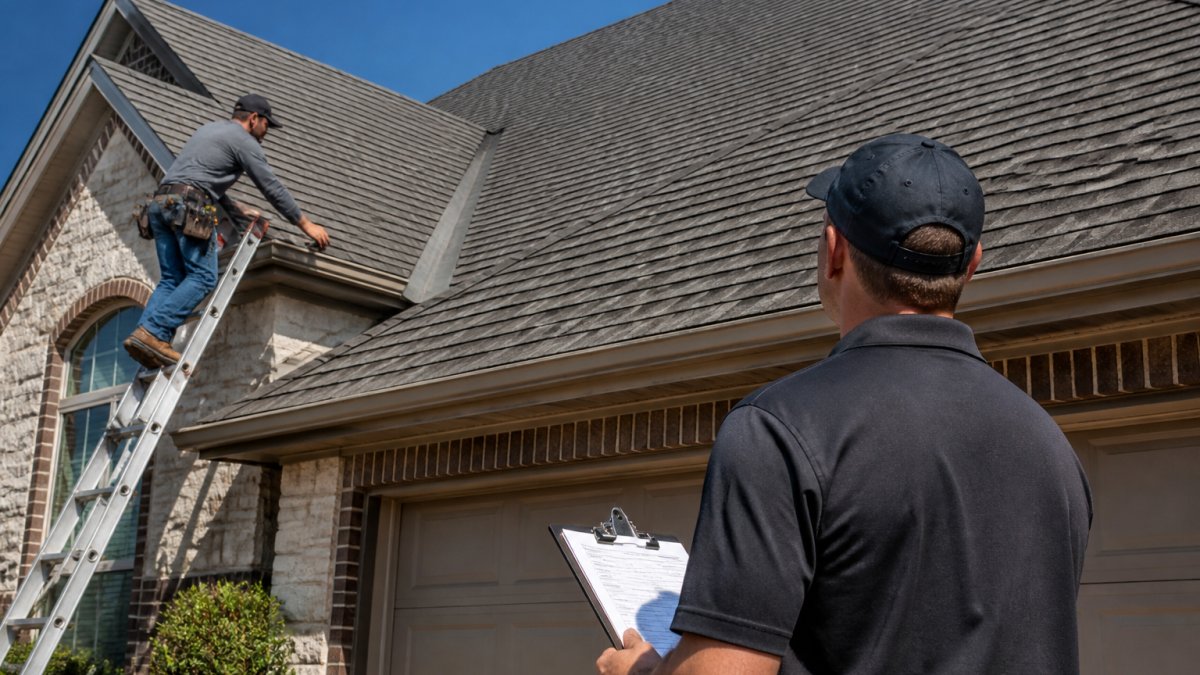
Schedule an inspection within 48 hours of a significant storm. A professional roofer will check for missing shingles, cracked flashing, dented gutters, and water stains in the attic.
National Weather Service severe weather guidance provides storm tracking data that helps you understand what your roof may have experienced. After a confirmed severe weather event, an inspection is your first defense against hidden damage.
When you contact a roofing company for a post-storm inspection, ask if they offer emergency services. Some contractors can schedule inspections within hours, not weeks.
If you discover damage, contact your insurance company before hiring a contractor. Many policies cover storm damage. Your adjuster will inspect the roof and approve repairs, and once approved you can hire a contractor.
Understanding Roof Replacement Timeline and Expectations
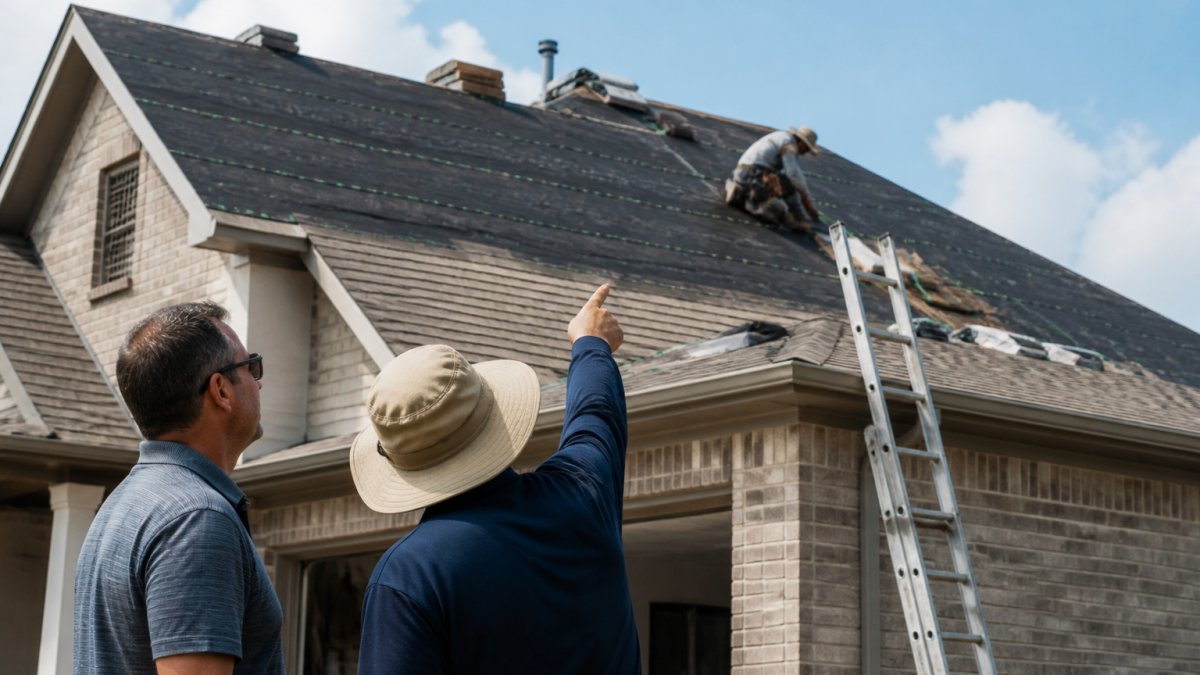
A typical roof replacement takes 1-3 days, depending on your roof's size and complexity, assuming good weather and no hidden structural damage. Learn more about the roof replacement process and timeline. Larger roofs or roofs with multiple valleys take longer.
Before work begins, ask your contractor for a detailed timeline: start date, crew size, expected finish, and what happens if weather delays the project. A professional contractor provides a realistic schedule and communicates delays immediately.
Expect noise and disruption from hammering, power tools, and heavy foot traffic. If you work from home, plan to be elsewhere during the day. The contractor should protect your landscaping and remove debris daily.
OSHA roof safety standards outline the safety practices legitimate contractors follow. Roofers work at heights and use specialized equipment. A contractor who cuts corners on safety, no harnesses, no fall protection, untrained crew, is cutting corners everywhere.
After installation, the contractor should walk you through the work and point out key details: how they sealed the flashing, where they placed ventilation, and how they handled any problem areas.
Residential Roofing Services: Repair, Replacement, and Maintenance
Residential roofing services fall into three main categories: repair, replacement, and maintenance. Understanding the difference helps you know when to call a contractor.
Roof repair addresses specific problems: a single leak, missing shingles, damaged flashing, or a cracked vent boot. Repairs are typically less expensive than replacement and extend your roof's life by a few years.
Roof replacement becomes necessary when your roof is near the end of its life or has sustained significant damage. Most asphalt shingle roofs last 20-25 years.
Roof maintenance includes cleaning gutters, removing debris, and checking for early signs of wear. Regular maintenance prevents small problems from becoming expensive repairs, and many contractors offer plans with seasonal inspections and cleaning.
Roofing Contractors Association best practices guide outlines industry standards for each service type. A professional roofing company follows these standards consistently.
Astro Roofing provides roofing and gutter services.
Getting Your Free Roofing Estimate Today
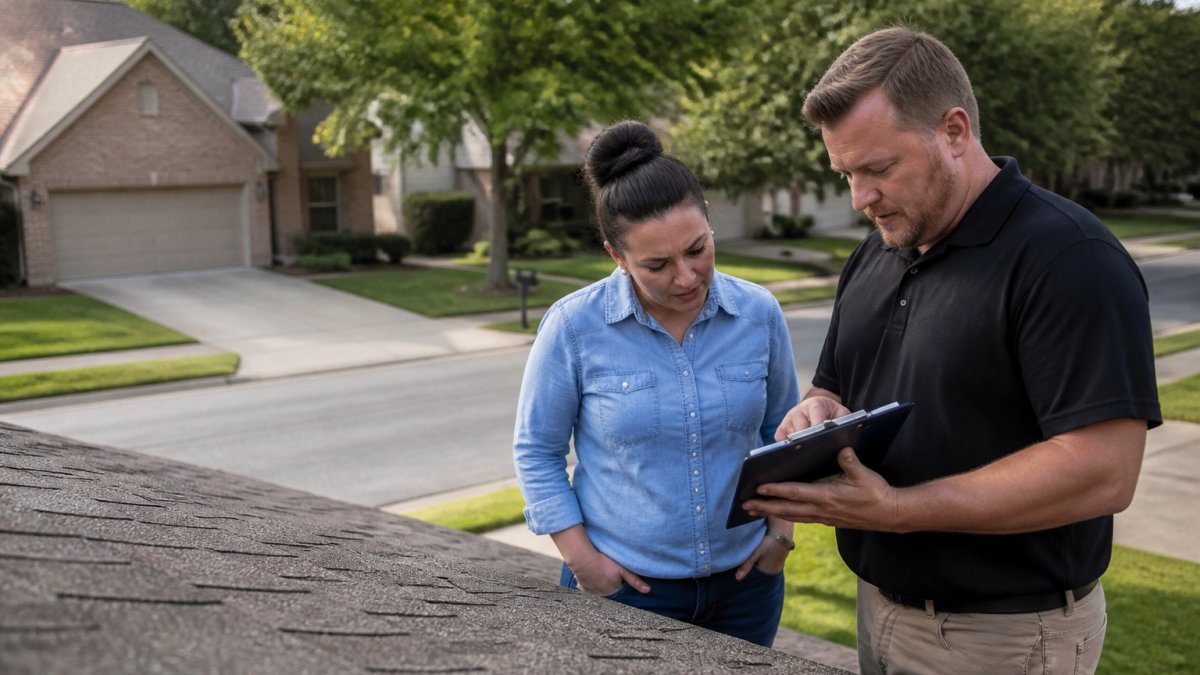
The first step is scheduling a free inspection and estimate. A professional roofer will assess your roof's condition, identify problems, and explain your options in a pressure-free conversation.
When you contact us for a roofing estimate, we'll schedule a time that works for you.
Replacement and repair are necessary investments in your home's protection. Delaying a needed roof repair often costs more later when water damage spreads. A free estimate gives you the information you need to make a smart decision.
Protecting your home from water damage starts with choosing a roofing company that prioritizes quality and communication. We offer free inspections and estimates so you can understand your roof's condition without obligation. Contact Astro Roofing today at 817-285-7663 or Astroroof@yahoo.com to get started.
Frequently Asked Questions
What should I look for when choosing a roofing company?
Look for a roofing company with proper licensing, full insurance coverage, and a solid track record of customer reviews. Ask about their experience with your specific roof type, warranty terms on both materials and labor, and whether they handle the permitting process. A trustworthy roofing company will provide free written estimates, communicate clearly about timelines, and stand behind their work with documented warranties.
What questions should I ask a roofing contractor before signing a contract?
Ask about their licensing and insurance, years of experience, warranty coverage (both manufacturer and workmanship), timeline for completion, whether they obtain permits, how they handle cleanup, payment terms, and references from recent projects. Also ask what happens if weather delays the project and how they manage communication during the work. A professional roofing contractor will answer all questions thoroughly and provide everything in writing.
How long does a typical roof replacement take?
Most roof replacements take 1-3 days depending on your home's size, roof complexity, weather conditions, and the contractor's crew size. Factors like multiple roof layers, structural repairs, or difficult access can extend the timeline. Your roofing company should provide a detailed roof replacement timeline upfront so you know what to expect and can plan accordingly. Always ask about weather contingencies and how delays are handled.
What should I do immediately after a storm damages my roof?
After a storm, document any visible damage with photos and contact your insurance company promptly. Schedule a professional roof inspection after a storm to identify damage that may not be obvious from the ground. A qualified roofing company can assess storm damage, help with insurance claims, and recommend whether repairs or replacement is needed. Avoid walking on your roof yourself, and get estimates from multiple contractors before deciding on repairs.