 how-to
Is Roof Replacement Covered by Insurance? A Homeowner's Guide
Last Updated: October 23, 2026
Quick Summary
Is roof replacement covered by insurance? Usually yes, but only when a sudden event causes the damage, such as a wind storm, hail strike, fallen tree limb, or fire. Age and ordinary wear and tear do not qualify for coverage.
- Wind and hail claims often carry their own deductible, separate from your standard one.
- Actual cash value pays replacement cost minus depreciation, while replacement cost value pays the full cost of a new roof.
- Most policies require prompt notice of a loss, so call the claims line and get a claim number in writing.
- Photograph a ruler next to hail strikes so the adjuster has a size reference.
- Never sign a contract that assigns your claim benefits to a contractor.
Table of Contents
- Is Roof Replacement Covered by Insurance? The Short Answer
- Covered Perils: What Homeowners Insurance Typically Pays For
- What Is Excluded: Age, Wear and Tear, and Poor Maintenance
- Roof Replacement Actual Cash Value vs Replacement Cost
- The Roof Insurance Claim Process: A Step-by-Step Timeline
- Stage 1: Damage Discovery and Immediate Response (Day 0-2)
- Stage 2: Claim Opening and Adjuster Assignment (Day 1-5)
- Stage 3: The Adjuster Inspection (Day 3-14)
- Stage 4: The Scope of Loss and First Payment (Day 7-30)
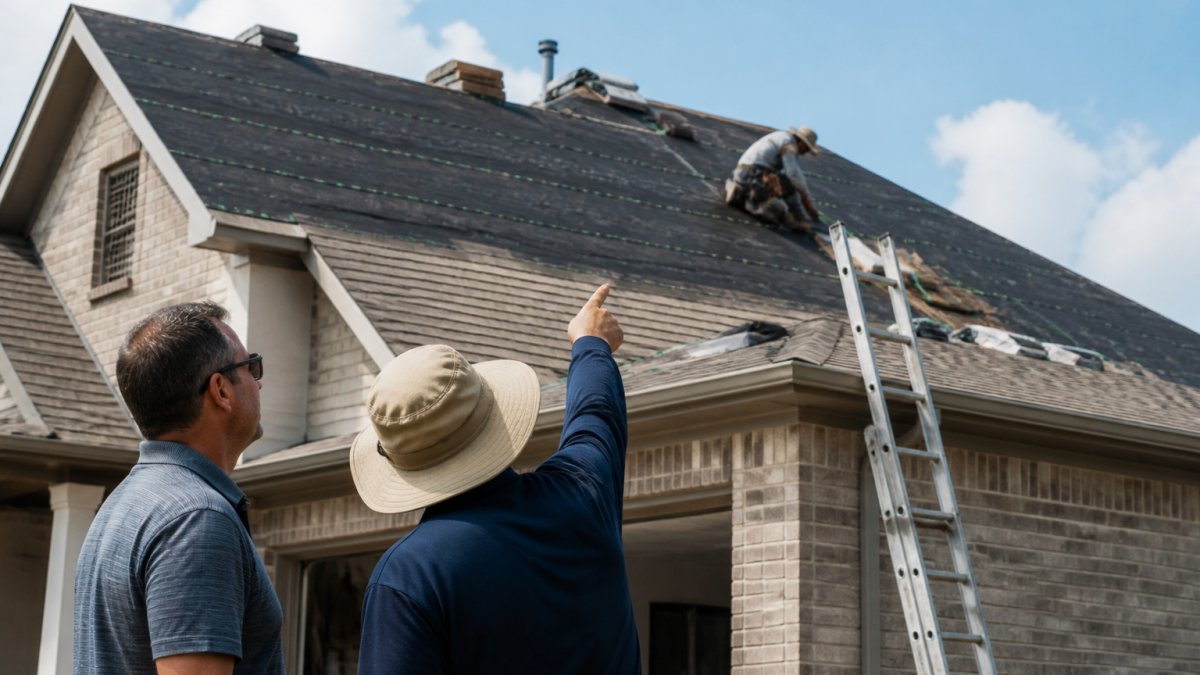
- Stage 5: Repair or Replacement and Final Payment (Day 14-90+)
- Stage 6: If the Claim Is Denied or Undervalued
- How to Document Roof Damage for Insurance
- Insurance Claim Denied for Roof Damage? How to Challenge It
- Frequently Asked Questions
Astro Roofing | Astroroof@yahoo.com | 817-285-7663
Is Roof Replacement Covered by Insurance? The Short Answer
Is roof replacement covered by insurance? Usually yes, but only when a sudden event causes the damage, a wind storm, hail strike, fallen tree limb, or fire. Age and ordinary wear do not. This guide from Astro Roofing covers what policies pay for, what they exclude, and how the claim process works.
After more than 30 years on roofs across Tarrant County, we've seen claims won and lost for one reason: documentation.
Covered Perils: What Homeowners Insurance Typically Pays For
Homeowners insurance covers roof replacement when a named peril causes the damage.
The perils that most often lead to a full roof replacement:
- Wind damage that lifts shingles or strips granules
- Hail damage that bruises the mat or cracks the shingle surface
- Storm damage from fallen limbs or flying debris
Notice a pattern. The Insurance Information Institute's guide to homeowners coverage explains that dwelling coverage protects the structure itself, and the roof is the most common structure claim homeowners file.
One practical note: wind and hail claims often come with their own deductible, separate from your standard one. Check your declarations page before you assume anything.
What Is Excluded: Age, Wear and Tear, and Poor Maintenance
Age, wear and tear, and poor maintenance are excluded from nearly every policy, normal deterioration is the most common reason roof claims get denied.
A 35-year-old roof shows curling shingles, granule loss, and brittle flashing, the predictable result of decades of sun and rain, not a covered accident.
Exclusions typically include:
- Shingles worn out from age
- Rot or decay from long-term moisture
- Damage from skipped maintenance
Roof age affects eligibility too. Many insurers won't write a new policy on a roof past a certain age, and some require an inspection before renewal. If your roof is old but not leaking, talk to your agent before a storm forces the issue.
Roof Replacement Actual Cash Value vs Replacement Cost
The difference between actual cash value and replacement cost value decides how much of your new roof you actually pay for.
Actual cash value pays replacement cost minus depreciation, based on how much life the roof had left.
| Coverage Type | How the Payout Works | What You Receive |
|---|---|---|
| Actual Cash Value | Replacement cost minus depreciation | A reduced amount up front |
| Replacement Cost Value | Full cost of new roof, no depreciation | Full amount after work is done |
With RCV policies, many insurers pay the ACV amount first and release the recoverable depreciation after the work is complete, so you may need to front some money and get reimbursed later.
How the Payment Math Actually Works
A single claim can produce two or three separate checks:
- The adjuster builds a scope of loss. That scope lists line items, tear-off, underlayment, shingles, ridge vent, flashing, drip edge, labor, and totals them into the replacement cost value.
- Depreciation is calculated. The insurer applies a depreciation schedule based on the roof's age and expected service life, a roof halfway through its expected life might be depreciated by roughly half.
- The first check is issued. On an RCV policy, the first check is typically the replacement cost value minus depreciation minus your deductible. On an ACV policy, that is the final payment for the roof itself.
- Recoverable depreciation is released after completion. Once the work is done and you submit the contractor's final invoice and proof of completion, the withheld depreciation is paid, provided your policy treats it as recoverable rather than non-recoverable.
A Worked Example
The first check is the replacement cost value minus the depreciation holdback minus the deductible. After installation and the final invoice, the recoverable depreciation is released, leaving you responsible for the deductible plus any upgrades or code items your policy doesn't cover.
Ask your adjuster for the depreciation worksheet in writing, it shows the percentage applied, the holdback amount, and whether the depreciation is recoverable.
Where Homeowners Get Surprised
- Non-recoverable depreciation. Some policies, and some older roofs, carry depreciation that is never paid back. The first check is the last check for that portion.
- Code upgrade coverage. Building codes change. If your jurisdiction now requires a different underlayment, ice barrier, or deck attachment, that cost may fall under a separate ordinance-or-law endorsement, or may not be covered at all.
- Matching shingles. If only one slope is damaged, the insurer may pay to repair that slope only, even if the new shingles don't match the old ones. Cosmetic and matching exclusions vary by policy.
The Roof Insurance Claim Process: A Step-by-Step Timeline
The roof insurance claim process runs from damage discovery to final payment in a predictable sequence. Knowing the order, and the deadlines, prevents expensive mistakes.
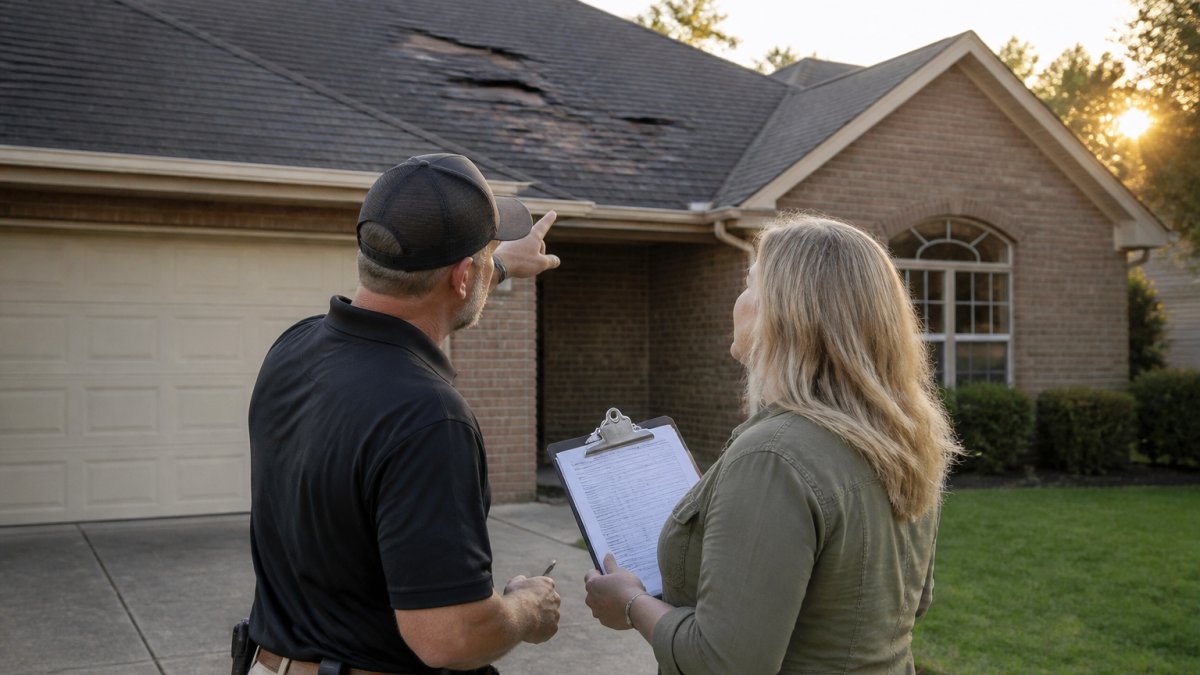
Stage 1: Damage Discovery and Immediate Response (Day 0-2)
- Make the roof safe and stop further damage. Tarp openings, board broken windows, and move valuables away from active leaks. Keep every receipt, most policies treat reasonable temporary repairs as part of the claim, but only if you document them.
- Photograph everything before repairs. Wide shots of each slope, close-ups of bruised or missing shingles, granule piles in gutters, and interior stains. Include a ruler or tape measure next to hail strikes for scale.
- Notify your insurer promptly. Most policies require prompt notice of a loss. Call the claims line, get a claim number in writing, and ask for the adjuster's name and contact information.
Stage 2: Claim Opening and Adjuster Assignment (Day 1-5)
When you open the claim, the insurer assigns a staff or independent adjuster. Ask which one and whether the inspection will be in person or remote, in-person inspections produce better scopes on hail and wind claims.
Have these ready before the inspection:
- Your policy number and declarations page
- Photos and video of the damage
- Receipts for temporary repairs
Stage 3: The Adjuster Inspection (Day 3-14)
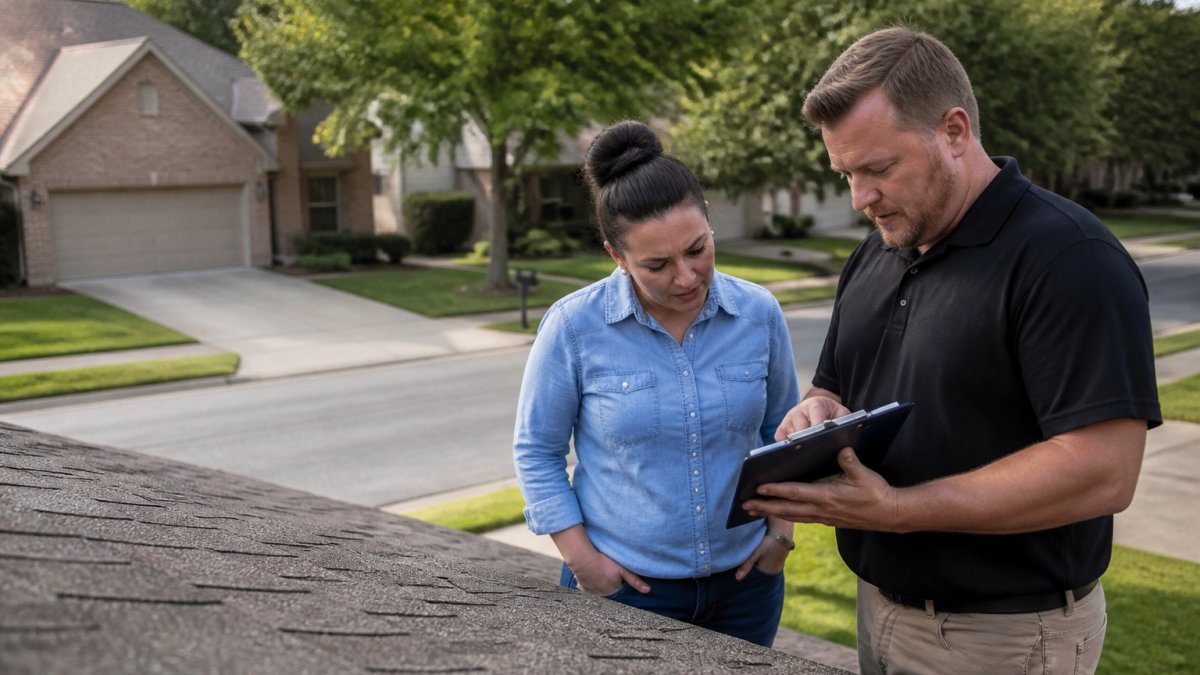
Be present if you can. Walk the roof with the adjuster if it's safe, or at minimum walk the interior and perimeter, and point out every area of concern.
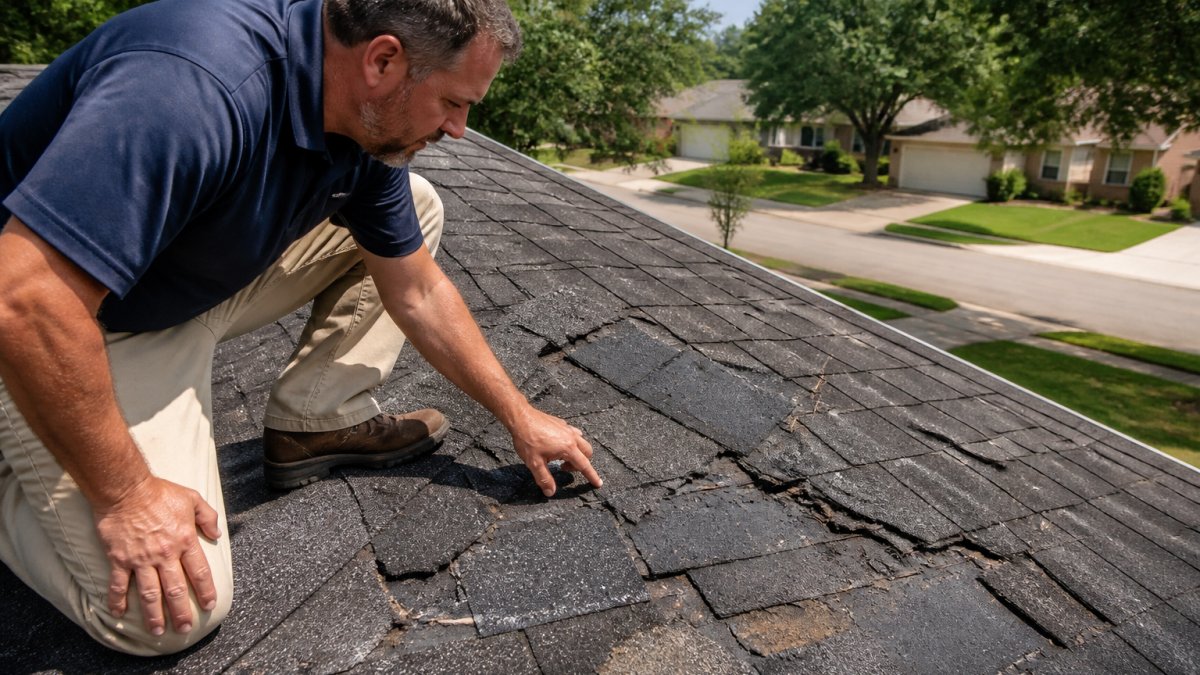
Adjusters test shingles by pressing on them or lifting tabs. Hail damage shows as soft spots or bruising on the mat; wind damage shows as lifted, creased, or missing shingles. The adjuster photographs and measures each slope, then writes a scope of loss.
Stage 4: The Scope of Loss and First Payment (Day 7-30)
You should receive the adjuster's report and scope of loss. Read it line by line against your contractor's estimate. Common gaps:
- Missing drip edge, ridge vent, or flashing line items
- Under-counted squares of shingles
- No allowance for decking replacement
If the scope is short, you can request a reinspection or submit a supplemental claim with your contractor's line-item estimate attached. This is a normal part of the process, not an accusation.
Stage 5: Repair or Replacement and Final Payment (Day 14-90+)
Once you approve the scope, the work begins. After completion, submit the contractor's final invoice and proof of completion, and the insurer releases the recoverable depreciation.
Keep these documents for the final payment:
- Signed contractor invoice with line-item detail
- Certificate of completion
- Photos of the finished roof
Stage 6: If the Claim Is Denied or Undervalued
A denial or a low scope is not the final word. Request the adjuster's full report and photos, get an independent contractor estimate, and submit a written appeal that addresses the specific reason given in the denial letter. Ask about the insurer's internal review process, and if the dispute stalls, contact your state's insurance department. The National Association of Insurance Commissioners maintains a state-by-state directory of insurance departments where consumer complaints are filed.
If you're in Hurst, Euless, Bedford, or anywhere nearby and your claim needs a second look, Astro Roofing provides free inspections and written estimates you can attach to an appeal. We're fully insured and locally operated, and we've been doing this work for over three decades.
How to Document Roof Damage for Insurance
Damage documentation wins or loses claims. Adjusters work from evidence, and organized proof gets a smoother result than "it's leaking up there somewhere."
Build your file with these items:
- Wide photos of each roof slope
- Close-ups of cracked, bruised, or missing shingles
- Photos of granule piles in gutters and downspouts
Insurance Claim Denied for Roof Damage? How to Challenge It
A denied claim is not the final word.
Start by reading the denial letter closely. Insurers must state why they denied the claim. Common reasons include:
- Damage classified as wear and tear
- Damage below the deductible
- Missing or thin documentation
Then take these steps:
- Request the adjuster's full report and photos
- Get a second opinion from a licensed roofing contractor
- Submit a written appeal with new evidence
The National Association of Insurance Commissioners maintains a state-by-state directory of insurance departments, which is where consumer complaints get filed. That route exists for exactly this situation.
One more caution. Storm chasers appear after every major hail event, promising to "handle your insurance" and vanishing with a deposit. Never sign a contract that assigns your claim benefits to a contractor, and never pay in full before work starts. A reputable local roofer will inspect for free and put the scope in writing.
If you're in Hurst, Euless, Bedford, or anywhere nearby and your claim needs a second look, Astro Roofing provides free inspections and written estimates you can attach to an appeal.
A denied or undervalued roof claim is frustrating, especially when a storm was clearly the cause.
Frequently Asked Questions
Will homeowners insurance pay to replace an old or worn-out roof?
Most policies will not pay to replace a roof that is simply old or worn out. Standard homeowners insurance covers sudden and accidental damage from a covered peril, not normal deterioration. If your roof is at the end of its useful life but has no storm or impact damage, the replacement is generally your responsibility. Some insurers offer optional coverage for older roofs, but it usually comes with a higher deductible or a cap on payout.
How does my roof deductible affect an insurance claim?
Your deductible is the amount you pay out of pocket before insurance covers the rest. Many policies now use a separate wind and hail deductible, often a percentage of your home's insured value rather than a flat dollar amount. Check your policy declarations page to see which deductible applies. A higher deductible means a lower claim payment, so compare the deductible to the repair estimate before filing.
What happens if the insurance estimate is lower than the roofing contractor's estimate?
A gap between the insurer's estimate and your contractor's estimate is common. You can submit the contractor's detailed line-item estimate to your adjuster and ask for a review. If the insurer omitted necessary items such as decking replacement or code-required upgrades, those can often be added. Keep written documentation and request a reinspection if needed. A local contractor experienced with insurance claims can help you present the difference clearly.
Does insurance cover roof replacement after wind or hail damage?
Yes, wind and hail are typically covered perils under standard homeowners policies. The key is proving the damage was caused by a storm rather than age. Document the date of the storm, take photos of missing shingles or granule loss, and get a professional roof inspection. Your insurer may send an adjuster to verify. If damage is limited to one slope, the insurer may pay for partial repair rather than a full replacement.