 how-to
Leaking Skylight Repair Cost Estimate Guide
Table of Contents
- Understanding Leaking Skylight Repair Cost Factors
- Skylight Leak Repair vs. Replacement Options
- Skylight Flashing Repair and Its Impact on Cost
- Diagnosing the Leak Source Before Getting a Quote
- Getting an Accurate Skylight Repair Estimate
- Water Damage and Hidden Costs
- Next Steps: Getting Professional Help
- Frequently Asked Questions
Last Updated: October 16, 2026
Astro Roofing
Email: Astroroof@yahoo.com
Phone: 817-285-7663
A leaking skylight can turn costly fast. Water intrusion damages attics, walls, and insulation, creating mold risk and structural damage. Understanding what drives leaking skylight repair cost helps you budget.
Repair cost depends on the cause, the damage, and whether you need a full unit replacement or just a reseal.
Understanding Leaking Skylight Repair Cost Factors
The cost of fixing a leaking skylight isn't one-size-fits-all. The fastest way to understand your bill is to see how a contractor builds an estimate.
What Determines Your Final Bill
The total cost depends on three main things: the repair scope, labor required, and materials needed.
Repair scope tells you how much work is involved.
Labor hours depend on roof access and complexity. A reseal might take 2-3 hours; a flashing repair or unit replacement can take a full day or more.
Materials vary widely. Sealants and caulk cost less than new flashing, and flashing materials (aluminum, copper, or rubber) add to the bill.
How a Real Estimate Is Built, Line by Line
A useful estimate is a stack of line items, typically in this order:
- Inspection and leak diagnosis, time on the roof and in the attic to trace the water path. Some contractors fold this into the repair; others bill it separately.
- Roof access and safety setup, staging, ladder tie-offs, and fall protection. Steep pitch and height add labor before any repair starts.
- Tear-out and disposal, removing failed sealant, damaged flashing, or the old unit, plus dump fees.
- Deck and framing repair, replacing rotted sheathing or framing so new flashing has something solid to attach to. This line is often missing from phone quotes.
- Flashing and sealant materials, the metal or rubber flashing, primer, and sealant, priced by material grade.
- Glazing or unit replacement, the new skylight, curb, and any adapters if the size or type changes.
- Interior repair, drywall, insulation, paint, and moisture or mold assessment, often quoted by a different trade.
- Permit and inspection fees, where local rules require them for structural or roofing work.
Separate lines let you compare quotes fairly and spot the one that skipped deck repair or interior work.
Labor, Materials, and Site Conditions
Your roof's condition affects the price. An older roof with damaged shingles or rotted wood requires extra prep work.
Site conditions matter too:
- Steep pitch = harder access = more labor time
- Multiple layers of old shingles = removal time
- Damaged framing around the skylight = extra repairs
- Weather delays = potential rescheduling costs
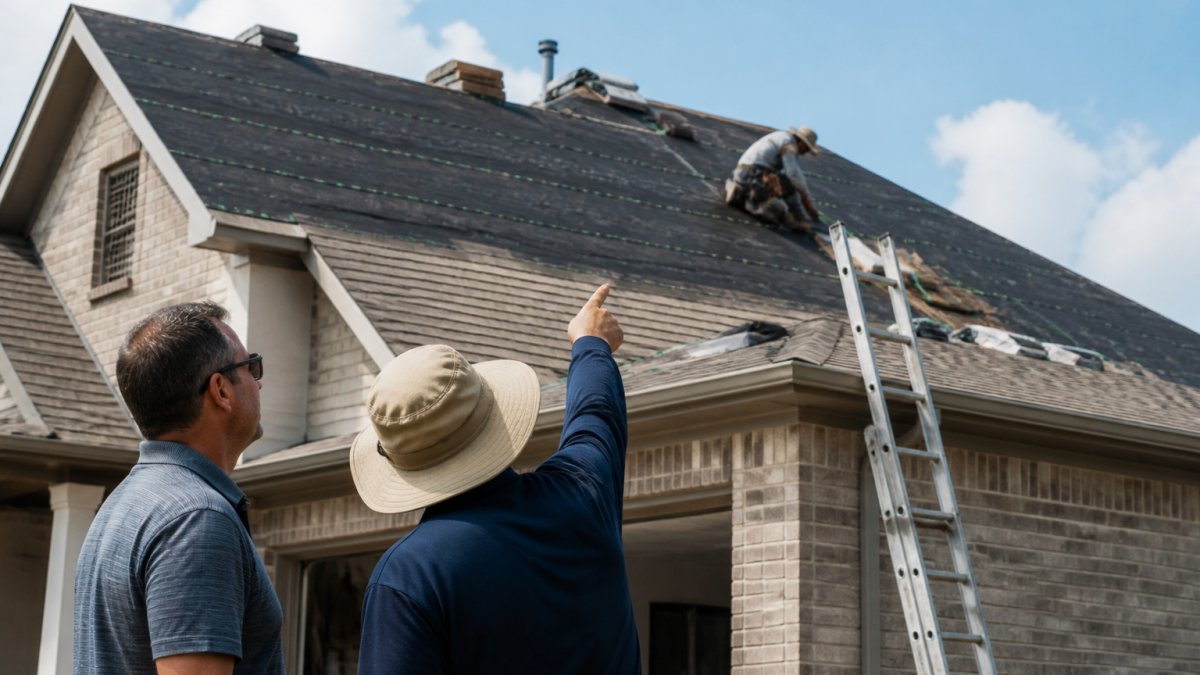
A contractor who must remove old shingles, repair the roof deck, and install new flashing will charge more than one doing a simple reseal.
Why the Same Leak Gets Different Quotes
Two contractors can look at the same skylight and land on different numbers without either being wrong. The difference comes down to assumptions:
- How far they trace the leak. One stops at the seal; another opens the ceiling to check for saturated insulation.
- Whether they price prevention. Re-flashing the whole curb versus patching one corner.
- Material grade. Builder-grade flashing and sealant versus a longer-life product.
- Who handles interior repair. Some roofers sub it out; some exclude it.
Ask each contractor what they assumed. That single question explains most of the spread between quotes.
Skylight Leak Repair vs. Replacement Options
Repair or replace? That depends on the skylight's age, condition, and repair cost.
When Resealing and Caulking Make Sense
Resealing is the cheapest option. It works when the skylight unit is sound but the seal has failed, letting water in around the edges rather than through the glass.
Signs resealing makes sense:
- The skylight is less than 15 years old
- No visible cracks in the glass or frame
- Water only appears after heavy rain
- The frame is dry and structurally solid
Resealing removes old sealant, cleans the joint, and applies new caulk. It's a surface-level fix that lasts several years before needing refresh.
When You Need a Full Unit Replacement
Replace the skylight when repair won't solve the problem:
- Glass is cracked or fogged (double-pane seal failure)
- Frame is rotted or corroded
- Flashing is severely damaged and can't be salvaged
- The skylight is over 20 years old
- Multiple leaks suggest systemic failure
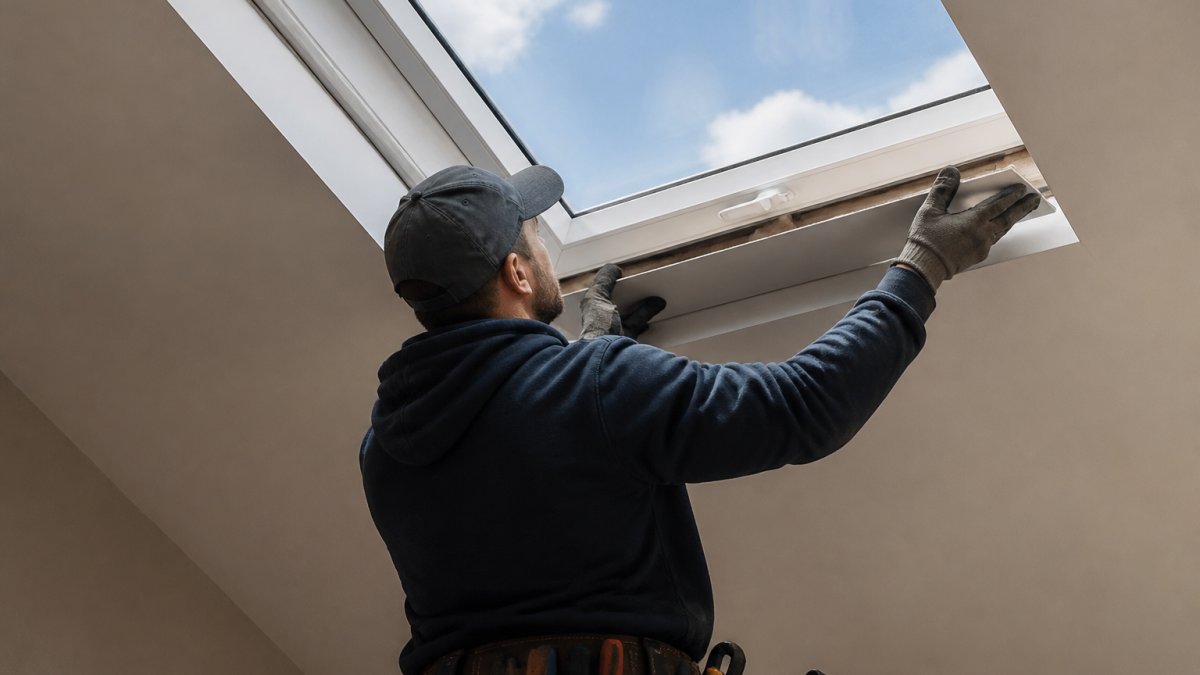
A replacement includes the new skylight, new flashing, and installation labor, plus removal and disposal of the old unit. It's the most expensive option but comes with a warranty.
Skylight Flashing Repair and Its Impact on Cost
Flashing is the metal or rubber seal between the skylight and the roof. It directs water away from the opening.
Flashing problems show up as leaks along the skylight's edges, not through the glass, the water stain pattern tells you flashing is the culprit.
Flashing repair options:
- Reseal existing flashing with new caulk
- Replace flashing while keeping the skylight unit
- Replace flashing and the skylight together
Replacing flashing alone costs less than replacing the whole skylight, but severe corrosion or a damaged roof deck may force a full replacement anyway.
The contractor will inspect the flashing closely during the estimate.
Diagnosing the Leak Source Before Getting a Quote
Before you call a roofer, do some detective work. Knowing where the water comes from helps you describe the problem clearly and get a more accurate estimate.
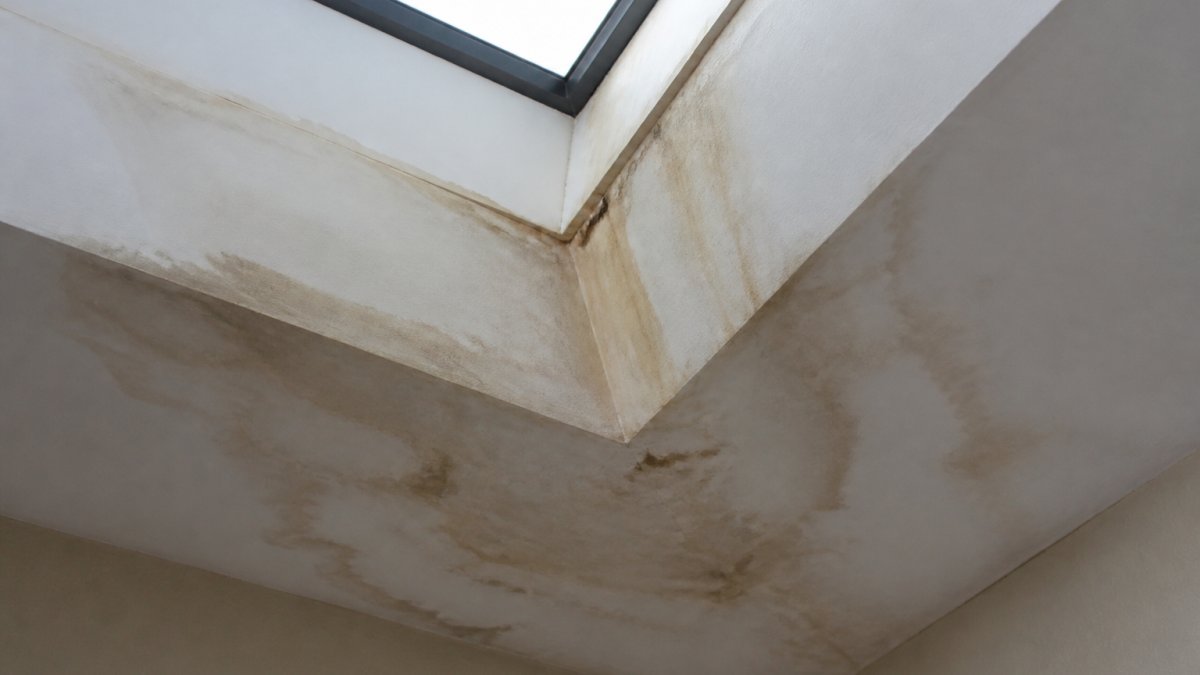
Signs of a Leaking Skylight
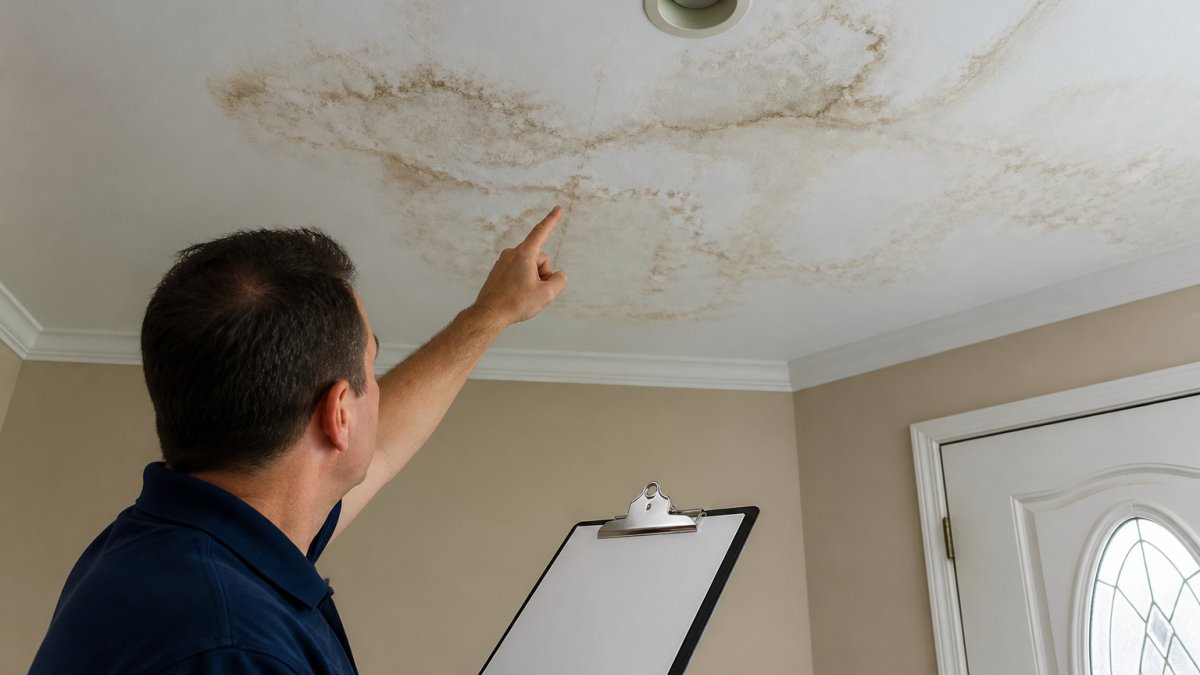
Water stains on the ceiling or walls near the skylight are the obvious sign. But look for these clues too:
- Wet insulation in the attic above the skylight
- Mold or mildew spots around the frame
- Peeling paint or water rings on interior walls
- Damp drywall or soft spots in the ceiling
- Visible cracks in the glass or frame
- Rust stains on the frame or flashing
- Condensation buildup inside the glass (fogging)
The stain's location tells you something: water directly below the skylight suggests a unit or center-seal problem, while water on one side suggests flashing failure.
Common Causes of Skylight Leaks
Understanding what caused the leak helps you avoid a repeat.
Seal failure is the most common cause. Sealant dries out and shrinks over time.
Flashing problems come next.
Installation mistakes cause leaks in newer skylights.
Roof damage around the skylight matters. Cracked or missing shingles let water run under the flashing.
Condensation isn't a leak but looks like one.
Getting an Accurate Skylight Repair Estimate
A good estimate tells you what work will be done, what it costs, and how long it takes. Here's how to get one and verify it before you sign.
What to Ask Your Contractor
When a roofer comes to inspect, ask these questions:
- What is the exact cause of the leak?
- Is repair or replacement recommended?
- What materials will you use?
- How long will the work take?
- Do you guarantee the repair?
- What is included in the estimate?
- When can you start?
Ask them to walk you through the repair step-by-step. If they can't explain what they're doing and why, that's a red flag.
Request an itemized estimate showing labor hours, material costs, and additional charges separately so you can compare quotes fairly.
Warranty, Insurance, and Quote Verification
Before you approve any work, verify three things.
1. What the warranty actually covers. Skylight work carries two separate warranties:
- Product warranty, from the skylight or flashing manufacturer, covering defects in the unit or materials. Ask for the model number and confirm it's transferable if you sell the home.
- Workmanship warranty, from the contractor, covering installation and sealing errors. Ask how long it runs and whether it covers interior damage from a failed repair.
A repair with no workmanship warranty is one you may pay for twice.
2. Whether insurance applies. Homeowner policies typically cover sudden, accidental water damage but exclude long-term seepage and maintenance failures. A leak that appeared after a storm is more likely to qualify than one from a seal that degraded over years.
3. How to compare written estimates. Put two or three quotes side by side and check that each states:
- The diagnosed cause of the leak
- The exact scope (reseal, flashing, unit, or combination)
- Materials by brand and grade
- Whether interior repair and disposal are included
- Warranty terms for product and labor
- Payment schedule and start date
If one quote is far lower, find the missing line. It is almost always deck repair, interior work, or disposal.
Red Flags in Estimates and Quotes
Some contractors use pressure tactics or vague pricing. Watch for these signs:
- No itemization: A lump sum with no breakdown
- Vague scope: "Fix the leak" without explaining what that means
- Pressure to decide now: "This price is only good today"
- Unusually low quotes: If it's way cheaper than others, ask why
- No warranty mentioned: Good contractors stand behind their work
- Cash-only pricing: Legitimate businesses accept multiple payment methods
- Reluctance to provide references: You should be able to talk to past customers
Compare at least two estimates. Prices vary, but the scope of work should be similar. If one contractor proposes something the others don't, ask why.
Water Damage and Hidden Costs
A leaking skylight doesn't just cost you the repair. Water damage spreads.
Wet insulation loses its R-value, cutting heating and cooling efficiency and raising energy bills.
Mold growth is expensive to address.
Water stains on walls or ceilings may need repainting, and drywall damage may require replacement.
The longer a leak goes unrepaired, the more damage spreads. Addressing it quickly saves money.
Don't ignore a leaking skylight hoping it will go away. Water damage compounds. The longer you wait, the higher the total cost becomes.
Next Steps: Getting Professional Help
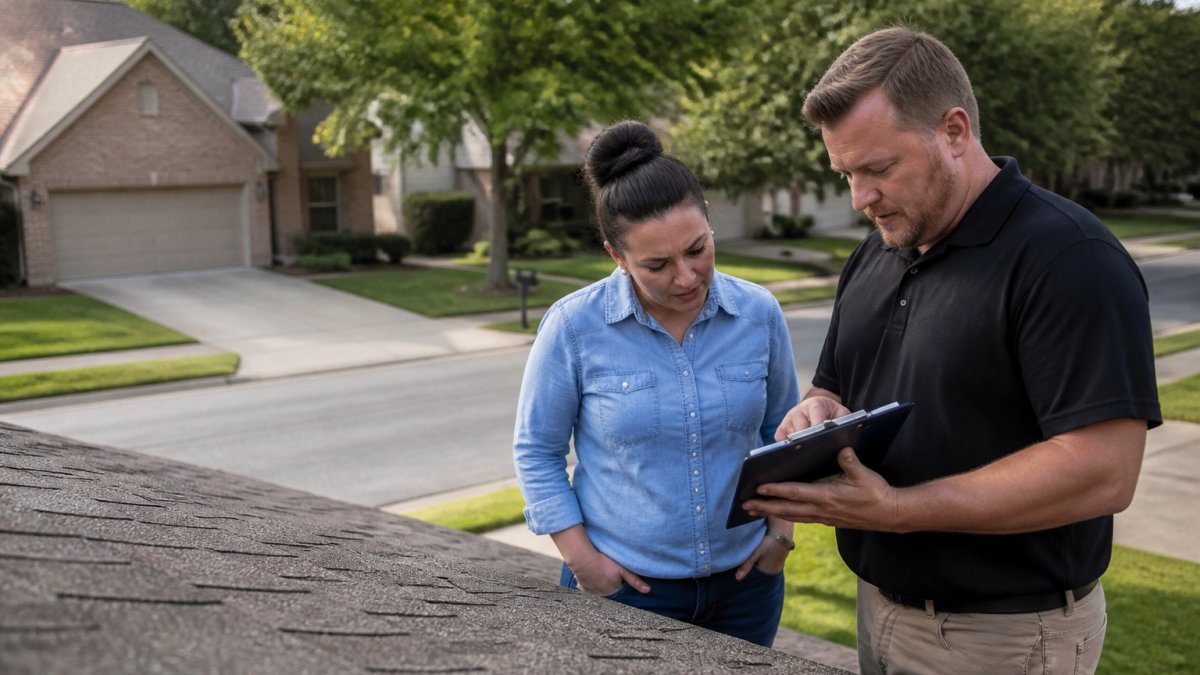
Once you've identified the leak, call a qualified roofer for an inspection and estimate.
Look for contractors with these qualities:
- Licensed and insured (verify with your state)
- Local experience with your roof type
- References you can contact
- Clear written estimates
- Warranty on their work
Astro Roofing has over 30 years fixing roofs in your area.
Call us at 817-285-7663 or email Astroroof@yahoo.com to schedule your inspection. We'll diagnose the problem and give you a clear path forward.
A leaking skylight demands prompt attention, water damage spreads fast and costs compound.
Frequently Asked Questions
Can a leaking skylight be repaired, or does it need to be replaced?
That depends on what's causing the leak. If the skylight unit itself is sound but the sealant or flashing has failed, repair through resealing or flashing replacement is often the right choice. However, if the glass is cracked, the frame is corroded, or the unit is over 15-20 years old, replacement becomes more cost-effective. A professional inspection will identify which option makes sense for your situation.
What factors affect the cost to repair a leaking skylight?
The scope of repair, materials needed, roof access, and labor all influence the final estimate. A simple reseal costs less than flashing replacement, which costs less than a full unit replacement. The skylight's size, location on the roof, and whether water has caused secondary damage to framing or insulation also matter. Site conditions like roof pitch and weather exposure add complexity and time.
What should a skylight repair estimate include?
A thorough estimate breaks down labor, materials, and any necessary repairs to flashing, sealant, or the unit itself. It should specify what's being repaired or replaced, timeline, warranty on the work, and whether interior water damage assessment is included. Ask whether the estimate covers roof access, cleanup, and permits if required. Avoid estimates that lump everything into one line item.
Will insurance cover a leaking skylight?
Insurance may cover skylight leaks if they result from a covered event like storm damage or impact, but typically not if the damage is due to age, wear, or lack of maintenance. Check your homeowner's policy and file a claim promptly if the leak is storm-related. Document the damage with photos and get a professional assessment to support your claim. Contact your insurer before hiring a contractor to understand coverage limits.