 how-to
Roof Installation Near Me: A Step-by-Step Guide
Table of Contents
- Understanding the Roof Installation Process
- What to Know About Roof Replacement Timeline
- Finding Local Roofing Services in Your Area
- Essential Questions to Ask a Roofing Contractor
- Verifying Roofing Contractor Credentials
- Getting Free Estimates and Comparing Quotes
- What to Expect During Roof Repair and Maintenance
- Frequently Asked Questions
Last Updated: October 14, 2026
Understanding the Roof Installation Process
When you're considering a roof installation near me, understanding what the process actually involves helps you prepare for the work ahead and communicate effectively with your contractor. The roof installation process typically unfolds in distinct phases, each critical to the final result. At Astro Roofing, we've guided homeowners through this journey, and the step-by-step approach remains consistent regardless of your specific roof type or home size.
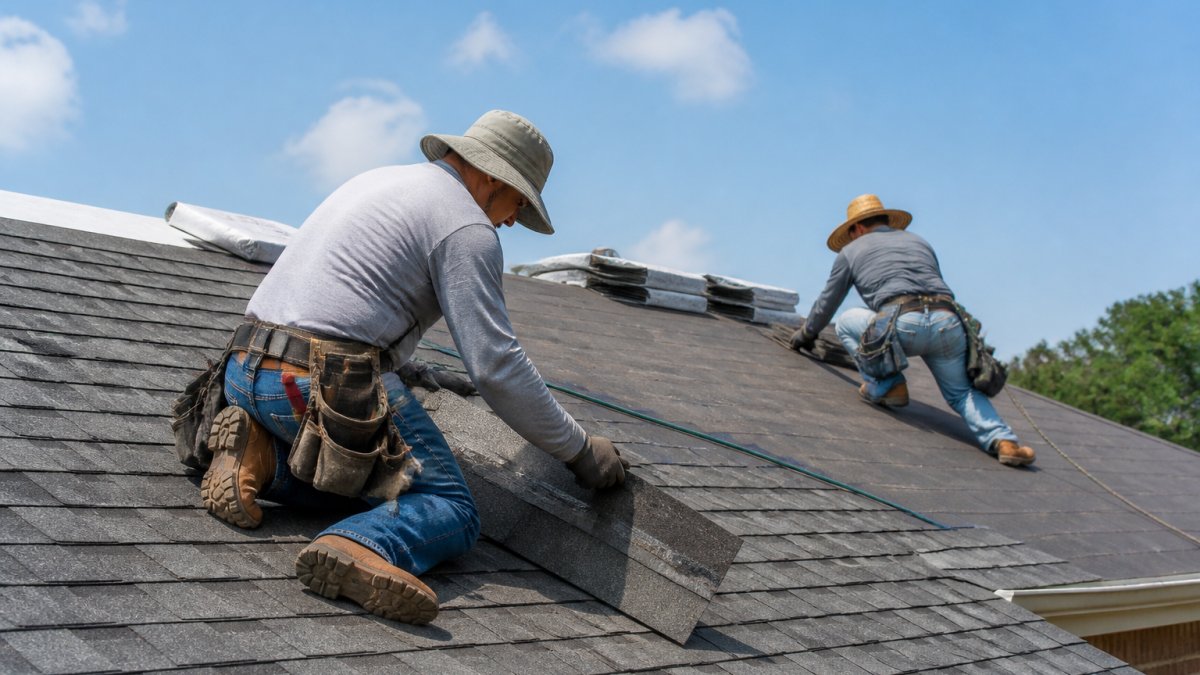
Inspection and Assessment
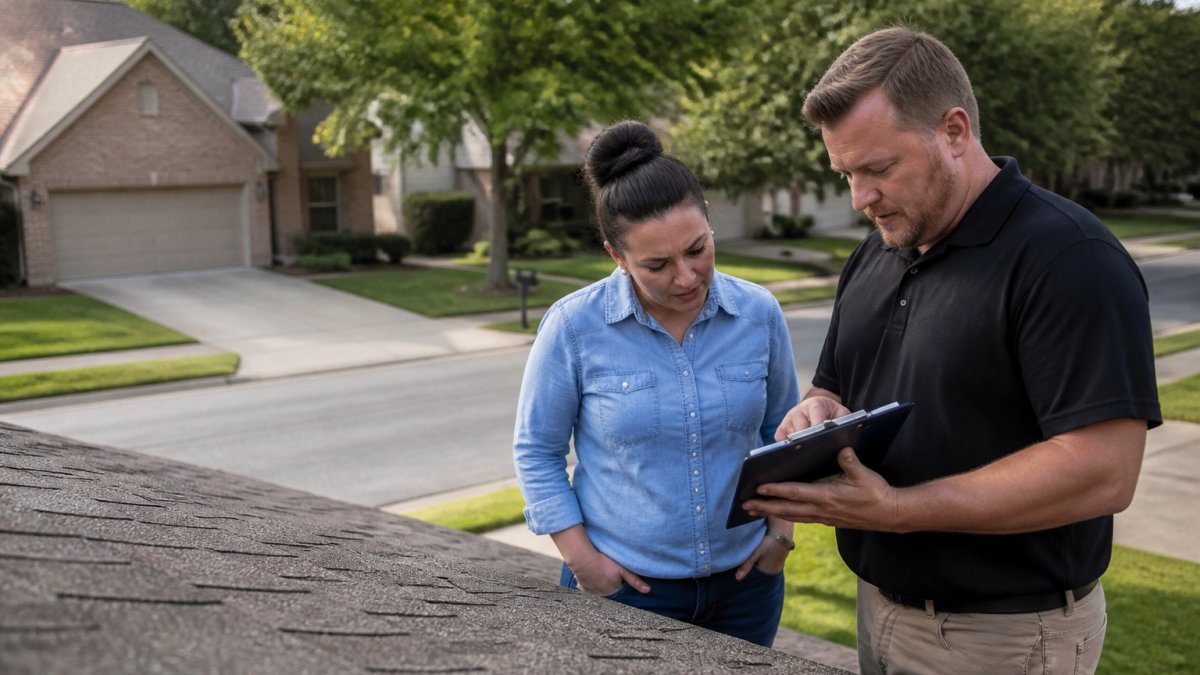
Before any installation work begins, a thorough inspection determines the current condition of your roof and what needs to happen next. Your contractor will examine the existing structure, identify any damage, assess ventilation, and check for underlying issues that could affect the new installation. This inspection phase is where problems get caught early, water damage, rotting wood, or structural concerns that weren't visible from the ground become apparent.
During assessment, the contractor measures your roof's dimensions, documents the pitch and slope, and notes any obstacles like chimneys or vents. They'll also verify building code requirements for your area. This information shapes material selection and labor estimates. A quality roof installation near me starts with a contractor who takes time during this phase, not one who rushes through it.
Material Selection and Preparation
Once assessment is complete, material selection becomes the next critical step. Your contractor will discuss options based on your climate, roof design, budget, and aesthetic preferences. The materials chosen directly impact durability, maintenance requirements, and long-term performance.
Preparation involves removing old roofing material down to the decking, inspecting the underlying structure for damage, and making any necessary repairs. Damaged decking gets replaced. Ventilation systems get checked and adjusted if needed. The deck is cleaned and inspected to ensure a solid foundation for new materials. This preparation work is where corners are often cut, but it's exactly where quality separates a roof that lasts 20 years from one that lasts 30.
Installation and Finishing
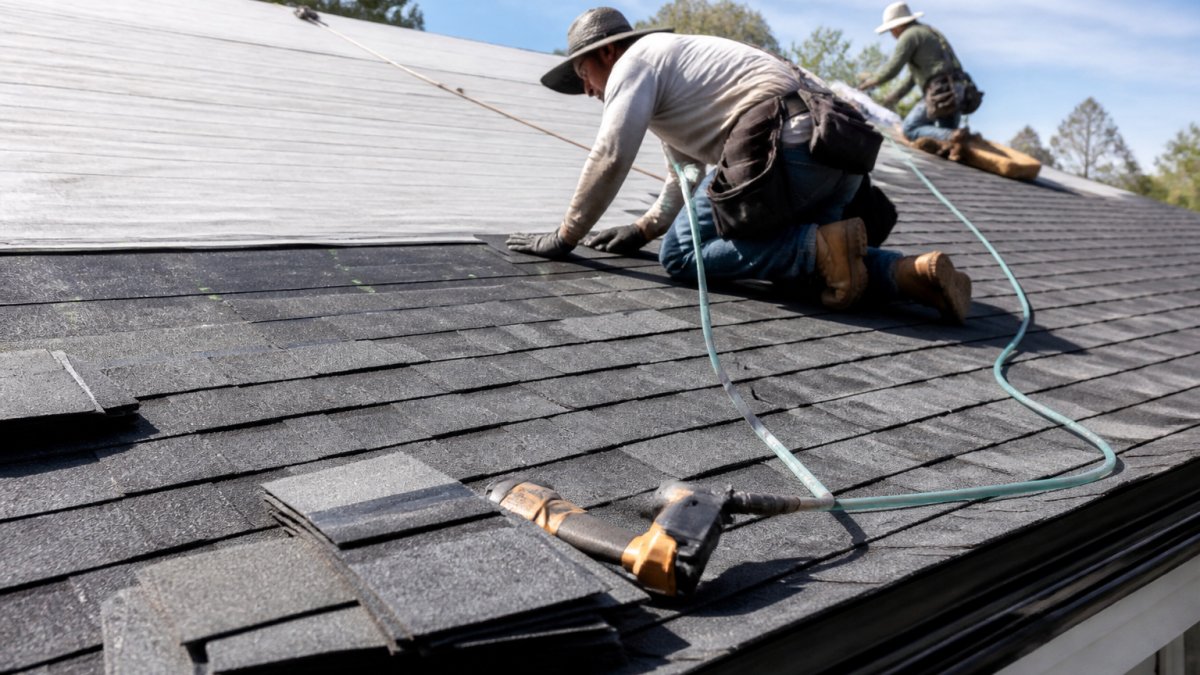
The actual installation follows a methodical sequence. Underlayment goes down first, creating a water barrier beneath the shingles or other primary material. Flashing is installed around penetrations, chimneys, or vents, to prevent water intrusion at these vulnerable points. The primary roofing material is then installed according to manufacturer specifications and local building codes. Proper nailing patterns, spacing, and fastener placement all matter significantly.
Finishing work includes installing ridge caps, verifying all seams are sealed, cleaning up debris, and conducting a final walkthrough. A reputable contractor will test drainage and ensure gutters are functioning properly before calling the job complete.
What to Know About Roof Replacement Timeline
A roof replacement timeline depends on several factors: your roof's size, the weather conditions during installation, material complexity, and crew experience. Most residential roof replacements take between 1 to 3 days for the actual installation work, though the total project timeline, from initial estimate to final inspection, typically spans 2 to 4 weeks.
Stage-by-Stage Breakdown
Stage 1: Estimate and agreement (1 to 5 days). A contractor inspects the roof, measures it, checks attic ventilation, and documents existing conditions with photos.
Stage 2: Scheduling and material ordering (3 to 10 days). Stock asphalt shingles are often available within days.
Stage 3: Preparation day (same day as tear-off, usually). The crew arrives early, stages materials, and protects the property.
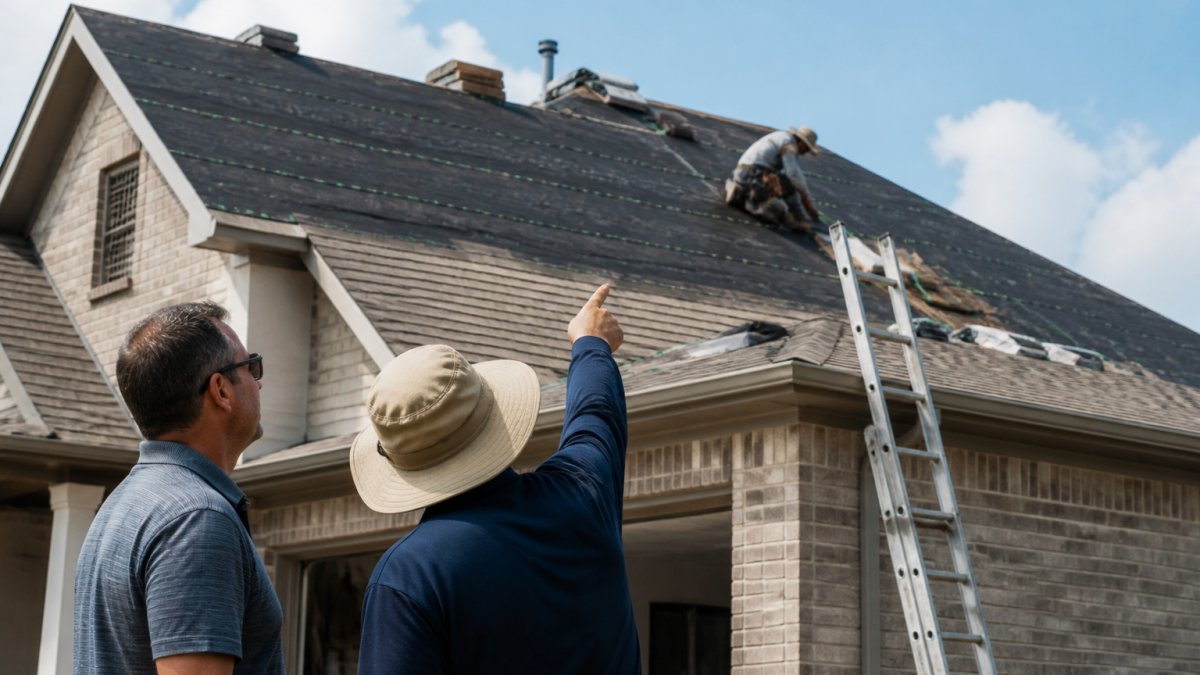
Stage 4: Tear-off and deck inspection (half a day to a full day). Old roofing is removed down to the decking.
Stage 5: Decking repair and underlayment (a few hours to a full day). Damaged decking is replaced, then underlayment is rolled out and fastened.
Stage 6: Installation of primary material (one to two days for most homes). Shingles, metal panels, or tile go down according to manufacturer specifications.
What Slows a Project Down
Weather is the most common cause of delay. Crews avoid working in heavy rain, high winds, and, for some materials, extreme heat. A single rain day can push a two-day install into three. Hidden damage discovered during tear-off is the second most common cause; rotted decking or structural issues sometimes only become visible once the old roof comes off.
Material shortages and permit timing can also add days. If your municipality requires a roofing permit and an inspection, the inspection must be scheduled after installation, and that appointment may not be available the next day.
What Homeowners Should Do During Installation
- Move vehicles out of the driveway before the crew arrives.
- Keep children and pets indoors while work is underway; nails and debris can end up in the yard even with magnetic sweeps.
- Expect noise, especially during tear-off and nailing.
- Keep windows closed on tear-off day to limit dust.
- Plan for the dumpster to occupy part of the driveway for the duration.
- Ask the crew lead for a daily status update if the project runs more than one day.
Finding Local Roofing Services in Your Area
Finding a qualified roof installation near me requires knowing where to look and what to evaluate. Start with local recommendations from neighbors, friends, or family who've recently had roof work done.
Online search and local directories provide another avenue. Search for "roof installation near me" or "roofing contractor [your area]" to see who appears in results. Check Google reviews, Better Business Bureau ratings, and contractor licensing databases.
Ask your insurance agent or local building department for contractor recommendations. These professionals often know which contractors handle claims well and maintain proper licensing and insurance.
When you've identified several candidates, request free estimates from at least three contractors. This comparison helps you understand pricing, proposed materials, timeline, and warranty terms. Astro Roofing offers free estimates and inspections, giving you clear information before you commit to anything.
Essential Questions to Ask a Roofing Contractor
Before hiring a contractor for your roof installation near me, ask these critical questions to evaluate their professionalism and capability:
- What is your experience with roofs like mine? (Specific material, age, style, or size)
- Are you fully licensed and insured? (Request proof of both)
- What warranty do you offer on materials and labor?
- Who will supervise the installation?
- How will you handle unexpected issues discovered during removal?
- What is your timeline from start to finish?
- Do you handle permits and building inspections?
- What happens if weather delays the project?
- How do you handle cleanup and debris removal?
- Can you provide references from recent projects?
These questions reveal whether the contractor has done similar work, operates professionally, stands behind their work, and communicates clearly. A contractor who answers thoroughly and patiently is more likely to deliver a quality roof installation near me.
Verifying Roofing Contractor Credentials
Before signing any agreement, verify that your contractor holds proper credentials. Licensing requirements vary by state and sometimes by county or municipality. In most areas, roofing contractors must be licensed to perform installation work.
Insurance is equally important. Request proof of general liability insurance and workers' compensation coverage. Liability insurance protects you if the contractor's work damages your property. Workers' compensation protects you from liability if a contractor is injured on your property. Verify these policies are active and adequate; don't accept verbal assurances alone.
Ask for references from recent projects. Contact these references and ask about their experience: Was the work completed on schedule? Did the crew communicate well? Were there any issues after completion? How did the contractor handle problems?
Getting Free Estimates and Comparing Quotes
When you request estimates for your roof installation near me, expect detailed proposals that break down materials, labor, timeline, and warranty terms.
Compare estimates carefully, but don't choose based on price alone. Instead, compare scope: Are all three estimates proposing the same materials? The same labor scope? The same warranty?
Look for estimates that explain what's included and what's not. Does the estimate cover permit costs? Disposal of old roofing? Repair of damaged decking? Gutter work? These details matter because they affect the final cost and the quality of the finished installation.
Ask each contractor to explain their estimate in detail. Understanding what you're paying for helps you make an informed decision.
What to Expect During Roof Repair and Maintenance
Even with a new roof installation near me, ongoing maintenance extends the life of your investment. Regular inspections, ideally twice yearly, in spring and fall, catch small issues before they become expensive problems. During inspections, a contractor looks for loose or damaged shingles, deteriorating flashing, clogged gutters, and signs of water intrusion.
A Practical Maintenance Calendar
- Spring: Inspect for winter damage, check flashing at chimneys and vents, clear gutters of debris from winter storms, and look for lifted or cracked shingles.
- Late summer: Before storm season peaks, verify ridge caps, check attic ventilation, and confirm that downspouts discharge away from the foundation.
- Fall: Clear leaves from gutters and valleys, inspect for granule loss on asphalt shingles, and check seals around pipe boots.
- After any hail or high-wind event: Have the roof inspected within a few weeks, before damage worsens or before your insurance claim window narrows.
Gutter Maintenance Is Roof Maintenance
Clogged gutters prevent proper water drainage, which can lead to water damage along the roof edges and foundation. Clear gutters regularly, especially in fall when leaves accumulate. Many homeowners benefit from gutter guards that reduce debris buildup. When gutters are replaced or repaired alongside a roof, the two systems should be sized and pitched to work together; a new roof draining into failing gutters simply moves the water problem.
Storm and Hail Response
After severe weather, heavy storms, hail, or high winds, have your roof inspected for damage. Storm damage can be subtle; what looks minor from the ground might indicate deeper problems. Hail bruising on asphalt shingles, for example, may not be visible from the yard but can shorten shingle life significantly. Early detection and repair prevent water damage and mold growth.
Minor Repairs vs. Replacement
Minor repairs like replacing a few damaged shingles or resealing flashing are straightforward and inexpensive when addressed promptly. Ignoring small problems allows water intrusion, which leads to decking damage, structural issues, and expensive repairs. A roof installation near me is an investment.
Frequently Asked Questions
How long does a typical roof installation take?
Most residential roof installations take 1-3 days, depending on roof size, complexity, and weather. A single-story home with a straightforward design typically completes faster than a multi-story property with multiple valleys or dormers. Your roofing contractor can provide a specific timeline during the initial inspection and free estimate. Factors like material choice and existing roof condition may extend the schedule.
What questions should I ask a roofing contractor before hiring?
Ask about licensing, insurance, warranty coverage, project timeline, payment terms, and references from recent customers. Inquire whether they handle permits and inspections, what happens if weather delays work, and whether they clean up debris daily. Request a detailed written estimate that breaks down labor, materials, and any additional costs. Ask about their experience with your specific roof type and whether they offer emergency repair services.
What roofing contractor credentials should I verify?
Confirm the contractor holds a valid state license, carries general liability and workers' compensation insurance, and can provide proof of both. Check for any complaints with the Better Business Bureau and read customer reviews on Google and other platforms. Ask for references from recent projects and follow up with those customers. Verify they're bonded and ask about their experience.
How much does roof installation cost?
Roof installation costs depend on your home's size, roof complexity, material choice, local labor rates, and existing roof condition. Asphalt shingles typically cost less than metal or premium materials. The only way to know your actual cost is to request free estimates from local roofing contractors who can assess your specific property. Get quotes from multiple contractors to compare pricing and service offerings before deciding.