 blog
Skylight Repair: Curb Appeal vs. Water Damage Protection
Table of Contents
- The Skylight Repair Decision: Curb Appeal Versus Water Damage Protection
- Common Skylight Leak Causes
- Signs of Water Damage Around a Skylight
- Skylight Flashing Repair and Waterproofing
- Skylight Repair Versus Replacement: Which Protects Your Home Better
- How Immediate Repair Prevents Long-Term Water Damage
- Why Professional Inspection Matters for Both Goals
- Frequently Asked Questions
Last Updated: October 11, 2026
The Skylight Repair Decision: Curb Appeal Versus Water Damage Protection
When a skylight leaks, you must balance curb appeal with water damage protection. A beautiful skylight means nothing if water rots your roof deck. A patched skylight that looks damaged hurts your home's value. This guide shows when to repair versus replace, how to spot water damage early, and why professional inspection matters for both goals.
Common Skylight Leak Causes
Flashing problems top the list. The flashing is the metal trim that seals where the skylight meets your roof. When flashing rusts, pulls loose, or was installed wrong, water runs straight into your home. This is the most common skylight leak cause and often fixable with re-flashing.
Age matters. Skylights last 20 to 30 years. After that, seals crack and the unit fails. One repair may fix today's leak, but another problem emerges in months.
Seal failure happens when caulk and weatherstripping dry out. A new caulk job buys time but is temporary.
Poor installation causes leaks immediately or years later. If the skylight wasn't set level or flashed correctly, water finds its way in. This often means the whole unit needs reinstallation.
Debris and ice buildup block drainage holes and trap moisture. Keeping the area clear helps, but doesn't fix underlying flashing problems.
Signs of Water Damage Around a Skylight
Water damage spreads quickly. The sooner you spot it, the smaller the repair bill and lower the mold risk.
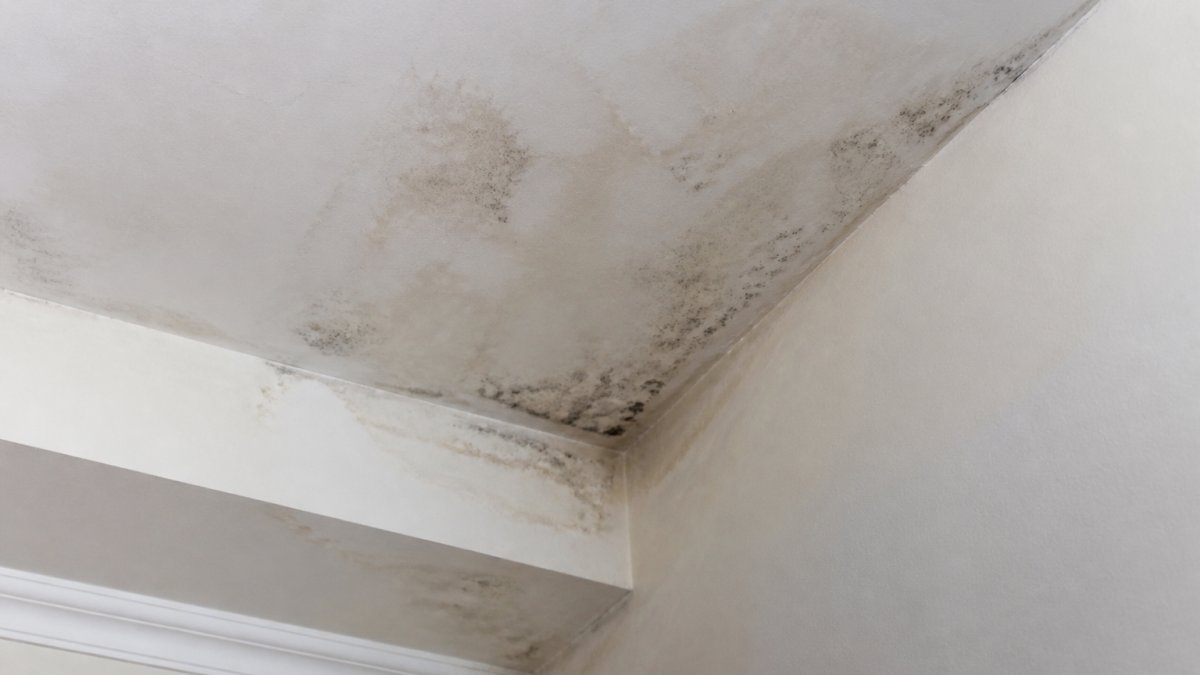
Interior signs: What to look for inside your home.
Ceiling stains and discoloration are the most obvious warning. Yellow, brown, or gray rings indicate water has soaked the drywall.
Soft, spongy, or bulging drywall means water has saturated the material and structural integrity is compromised. This requires urgent attention.
Peeling paint or texture indicates moisture is pushing through from behind, water has soaked the framing.
Musty or moldy odors signal moisture and possible mold in hidden spaces. Mold develops within 24-48 hours.
Visible mold or dark spots on drywall, insulation, or wood framing are a red flag.
Attic inspection: The most revealing signs.
Your attic reveals the true leak story. After heavy rain, look for these indicators:
Wet insulation is the clearest sign of active leak. Wet insulation loses R-value and develops mold. It may need replacement.
Dark stains on the roof deck show where water has run.
Soft or spongy wood on roof framing indicates rot and lost structural strength. This requires professional repair.
Rust stains on metal flashing suggest water has been present for weeks or months.
Mold or mildew on insulation, framing, or the underside of roof sheathing indicates moisture has been present long enough for biological growth.
Exterior signs: What to check from the roof.
If you can safely access the roof or view the skylight from outside, look for these problems:
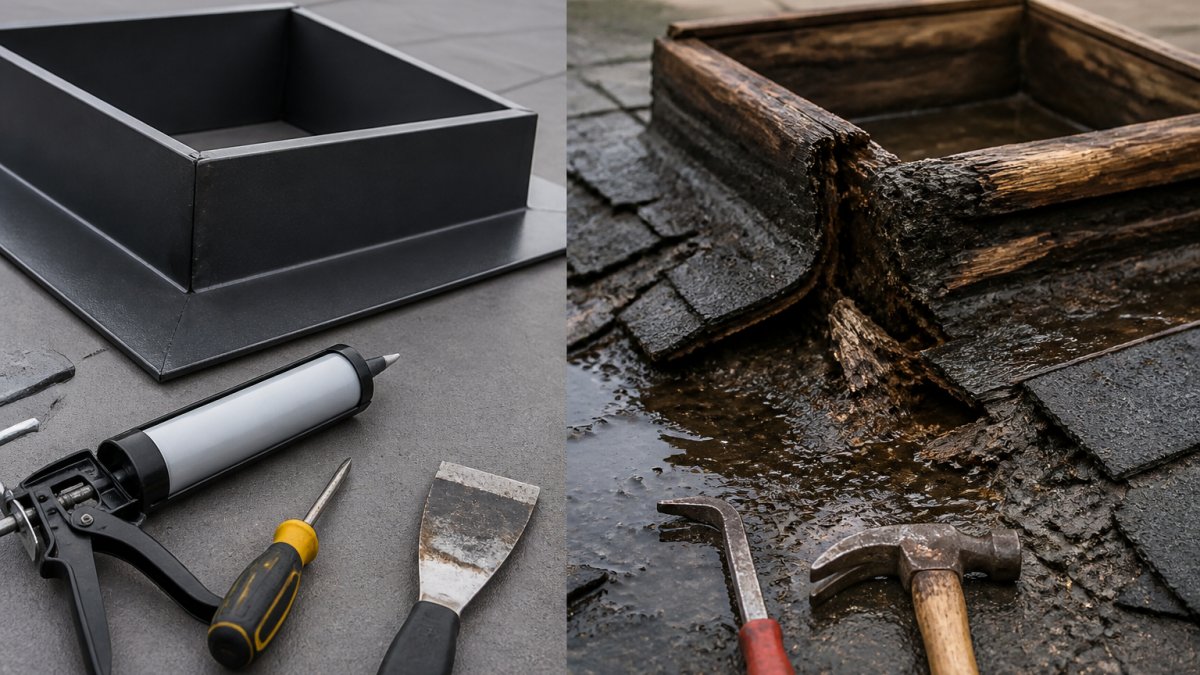
Rust, gaps, or separation in the flashing are the most common leak cause. If flashing is pulling away, water is getting underneath.
Cracked, peeling, or missing caulk allows water to seep in, especially during wind-driven rain.
Daylight visible around the skylight frame means the seal is compromised.
Debris, leaves, or moss trap moisture and accelerate failure of aging flashing and seals.
Fogging or condensation inside the glass indicates the seal between panes has failed. This signals degrading seals and a leak may follow.
Cracks in the glass allow water in directly and mean the skylight needs replacement.
Severity assessment: When to act immediately.
Use this framework to decide how urgently you need to call a professional:
Call today: Water drips inside, fresh stains appear, drywall is soft, you smell mold, or attic insulation is wet.
Call this week: Rust, gaps, or separated flashing visible; caulk is cracked; fogging is visible; or old stains exist with no fresh water.
Monitor and plan: Skylight is over 20 years old with no leaks, caulk is aging, or debris is present with no water damage.
Skylight Flashing Repair and Waterproofing
Simple re-flashing works when flashing is loose or poorly sealed. A contractor removes old caulk, inspects for rust, and reseals with fresh caulk and waterproofing tape. If intact, this holds for several years.
Damaged flashing needs replacement. If metal is rusted through, bent, or has visible gaps, re-caulking won't work. The flashing must be replaced, which usually means removing and reinstalling the skylight.
Underlayment and ice-and-water shield protect the roof deck. If missing or damaged, water seeps through even with good flashing. A full repair replaces these layers and installs new flashing.
Caulk and sealant need inspection. Old caulk cracks and shrinks. Professional-grade materials last longer and handle temperature changes better.
Proper drainage prevents pooling. Flashing should slope downward so water runs off. If water collects, fixing drainage may mean adjusting the skylight position or reshaping flashing.
Skylight Repair Versus Replacement: Which Protects Your Home Better
The repair versus replacement decision hinges on three questions: How old is the skylight? How severe is the leak? What matters more, stopping water damage now or improving curb appeal?
Repair prioritizes immediate water protection at lower cost. When a skylight is under 15 years old and the leak is isolated to flashing or caulk, repair stops water intrusion within days.
Replacement upgrades both waterproofing and curb appeal. A new skylight comes with modern flashing, integrated ice-and-water shield, and fresh seals. Replacement is stronger if the skylight is over 20 years old, multiple problems exist at once, you're selling within 12 months, or water damage is extensive or recurring.
If you see active water damage, repair is urgent, stopping intrusion prevents mold and rot. If the skylight is old but no interior damage exists, repair buys 2-4 years to plan replacement. If curb appeal is primary, replacement delivers a cleaner, modern appearance.
Decision matrix: Age, damage, and timeline.
| Skylight Age | Leak Type | Water Damage Visible? | Best Choice | Why |
|---|---|---|---|---|
| Under 15 years | Flashing or caulk only | No | Repair | Fix the failure point; frame is sound |
| Under 15 years | Flashing or caulk only | Yes (stains, wet insulation) | Repair + moisture remediation | Stop leak fast; address water damage separately |
| 15-20 years | Single problem | No | Repair | Likely to hold 3-5 years |
| 15-20 years | Multiple problems (fogging, cracks, flashing rust) | No | Replacement | Repair costs approach replacement; new unit prevents cascading failures |
| Over 20 years | Any problem | Any | Replacement | Seals and materials are near end of life; repair is temporary |
| Any age | Recurring leaks (same spot, multiple times) | Yes | Replacement | Root cause is systemic; repair alone won't solve it |
A professional repair stops active leaks but doesn't upgrade the frame or seals. If the frame is old, seals fail again in 3-5 years. Replacement installs a new frame with modern seals and integrated waterproofing, typically preventing leaks for 15-25 years.
Repair doesn't change appearance much, the skylight still looks old. Replacement changes visual impact noticeably: bright clear glass, tight flashing, modern frame finish. From inside, light appears brighter. From outside, the roofline looks updated. This matters most if you're selling or the skylight is prominent.
Have a professional inspect the skylight and attic to determine if water damage exists, whether the frame and seals are sound, if flashing can be re-sealed, and if the roof deck is compromised. If water damage is active, repair is urgent. If the skylight is old with multiple problems, replacement prevents emergencies.
How Immediate Repair Prevents Long-Term Water Damage
Waiting to fix a skylight leak is expensive. Water damage spreads fast and costs far more than the repair itself.
Mold grows within days of moisture entering your attic. Once mold starts, removing it requires professional remediation. The drywall may need to be cut out and replaced. Insulation gets pulled and disposed of. This turns a small leak into a major project.
Roof framing rots when wet. Wood loses strength as moisture soaks in. A roof beam that should last 50 years might fail in five if it's wet all the time. Replacing roof framing is expensive and dangerous. It means removing part of your roof structure.
Insulation loses effectiveness when saturated. Wet insulation doesn't insulate. Your heating and cooling costs go up. The material also starts to break down and settle, leaving gaps.
Drywall and interior finishes deteriorate. Once water soaks through drywall, it warps and weakens. Paint peels. Texture crumbles. Repairs mean cutting out damaged sections and installing new drywall. If the damage is widespread, you're looking at interior reconstruction.
Early repair stops this cascade. Fixing a leak within days or weeks prevents most of these problems. The water damage stays small and localized. A quick flashing repair or caulk job stops the leak before it spreads.
Insurance may not cover delayed repairs. If you know about a leak and don't fix it, your insurance company may deny water damage claims. They consider it negligence. Fixing leaks promptly protects your coverage.
Why Professional Inspection Matters for Both Goals
A professional inspector catches problems you'll miss. They see signs of water damage inside your attic and spot flashing issues from the roof.
Inspectors find hidden damage. You might see a stain on the ceiling and assume it's just a small leak. An inspector checks the attic, looks at the roof deck, and finds that water has been soaking into framing for months. Early discovery means smaller repair bills.
They assess whether repair or replacement is smarter. A contractor looks at the skylight's age, condition, and the extent of damage. They tell you if a repair will hold or if replacement is the better choice. This saves you from paying for a repair that fails in six months.
Professional waterproofing is stronger than DIY fixes. A contractor uses proper flashing materials, ice-and-water shield, and professional-grade caulk. They know how to slope the flashing correctly so water runs off. They inspect the roof deck and replace damaged underlayment. This level of work stops leaks for years.
Inspectors document the work. They take photos and write reports. This documentation helps with insurance claims and adds to your home's maintenance record. When you sell, proof of professional repair boosts buyer confidence.
They spot related problems. While inspecting the skylight, a contractor might notice that your roof flashing needs attention, your gutters are pulling loose, or your roof deck is weak in spots. Catching these issues early prevents bigger damage.
At Astro Roofing, we offer free estimates and inspections. We check for water damage, assess whether repair or replacement makes sense, and explain what we find. Our team has over 30 years of experience with roof damage. We help you make the choice that protects your home and keeps it looking good.
Water damage from a skylight leak spreads fast and costs far more than the repair itself. Astro Roofing provides expert skylight repair and replacement backed by over three decades of experience. We inspect for hidden damage, recommend whether to repair or replace, and deliver waterproofing that lasts. Contact Astro Roofing today for a free inspection and protect your home from water damage before it becomes a bigger problem.
Frequently Asked Questions
What causes a skylight to leak?
Skylight leaks typically stem from failed flashing, which seals the gap between the skylight and roof deck. Aging caulk, cracked glass, ice-and-water shield deterioration, and poor installation also cause water infiltration. Debris accumulation around the skylight frame prevents proper drainage. Over time, weather exposure and thermal expansion stress these seals, making older skylights more prone to failure. Professional inspection identifies the exact cause so you can address it before water damage spreads.
Should you repair a skylight leak before making cosmetic improvements?
Yes. Water damage progresses quickly and costs far more to remediate than prompt repair. Moisture intrusion leads to mold, ceiling damage, and structural deterioration that compromises your home's value and safety. Repair the leak first, verify the roof deck and underlayment are dry, then address cosmetic updates. This protects your investment and prevents hidden damage that undermines curb appeal gains from any renovation.
How do you know whether to repair or replace a leaking skylight?
Repair is cost-effective for skylights under 15 years old with isolated flashing or caulk failure. Replacement is preferable for older skylights with fogging, cracked glass, or failed seals throughout the frame. If the roof deck around the skylight shows rot or the skylight frame is compromised, replacement prevents recurrent leaks. A professional inspection determines the extent of damage and lifespan remaining, guiding the right choice for both water protection and curb appeal.
Can a leaking skylight cause mold or structural damage?
Yes. Prolonged moisture intrusion creates conditions for mold growth in attic spaces and insulation, posing health risks and reducing energy efficiency. Water saturation weakens roof framing, sheathing, and ceiling joists, requiring costly structural repairs. Ceiling stains and interior damage reduce home value and curb appeal. Early detection and repair stop these cascading problems before they require extensive remediation and compromise the durability of your roof and home.