 ultimate-guide
North Richland Hills Roof Replacement: 2026 Guide
Table of Contents
- Signs You Need a New Roof
- Roof Replacement Cost Estimate: What Drives the Number
- How to Choose a Roofing Contractor
- Roofing Materials and What Lasts in North Texas
- From Inspection to Final Walkthrough: The Replacement Timeline
- Energy Efficiency, Ventilation, and Long-Term Value
- DIY vs. Professional Roof Replacement: Risks and Permits
- Frequently Asked Questions
Last Updated: October 2, 2026
Signs You Need a New Roof
A roof replacement is one of the largest investments a homeowner makes, and the warning signs rarely appear overnight. This guide from Astro Roofing walks through the signals, costs, and timeline so you can plan a North Richland Hills roof replacement with confidence instead of panic.
Age, Curling Shingles, and Granule Loss
Roof lifespan depends on material and installation quality, but a common rule of thumb is that asphalt shingles last roughly 20 to 30 years. If your roof is approaching that range, start budgeting now.
Watch for these physical clues:
- Shingles curling or cupping at the edges
- Bald patches where granules have washed away
- Granules collecting in gutters or at downspout outlets
- Cracked, missing, or misaligned shingles
Leaks, Attic Water Stains, and Daylight Through the Deck
Water stains on attic rafters or ceiling drywall are late-stage warnings. By the time water reaches your ceiling, it has usually been entering for months. Check the roof decking from inside the attic for dark streaks, soft spots, or visible daylight around penetrations.
Roof Replacement Cost Estimate: What Drives the Number
A roof replacement cost estimate is a stack of variables, not a single number. No honest contractor quotes a firm figure before inspecting the roof, because the same square footage can swing thousands of dollars depending on what the tear-off reveals. Astro Roofing provides free estimates and inspections so homeowners get a real figure instead of a guess.
Square Footage, Pitch, and Layers of Old Material
Square footage sets the baseline. A larger roof needs more material, more underlayment, more flashing, and more labor hours. Roof pitch adds difficulty: steep roofs require extra safety measures, staging, and slower crew movement, which raises labor cost per square. If your home has multiple layers of old material, tear-off costs rise because crews must strip everything down to the deck before installing new underlayment and shingles, and some jurisdictions cap how many layers can legally remain.
Other line items that move the number:
- Decking condition. Soft or delaminated sheathing must be replaced, priced per sheet.
- Flashing and penetrations. Chimneys, skylights, and vent stacks each add detail work.
- Ventilation upgrades. Adding intake or ridge vents changes the scope.
- Access and disposal. A steep driveway or tight lot slows the dumpster cycle.
- Material grade. Architectural shingles cost more than three-tab but last longer.
Financing and Insurance Claims: The Two Levers Most Homeowners Miss
On the financing side, most homeowners do not pay the full replacement cost out of pocket in one lump. Common options include:
- Contractor financing. Many roofing companies partner with lenders to offer monthly payment plans.
- Home equity loans or HELOCs. These typically carry lower rates because the home secures the loan.
- Personal loans. Faster to fund but usually higher interest.
- Credit cards. Convenient but rarely the cheapest path for a five-figure project.
What a Realistic Estimate Looks Like
A written estimate should itemize tear-off, decking, underlayment, flashing, ventilation, materials, labor, disposal, and permits, not just a single lump sum. If a quote is one line, ask for the breakdown. The breakdown is what lets you compare bids fairly and spot a lowball that will grow once work begins.
How to Choose a Roofing Contractor
Choosing the right roofing contractor matters more than the material you pick. A great crew with average shingles beats a poor crew with premium products every time.
Ask every contractor these questions:
- Are you fully insured, and can I see proof?
- Will you pull the required roofing permit?
- What does your roofing warranty actually cover?
- Who is my point of contact during the project?
- Can you provide local references?
Roofing Materials and What Lasts in North Texas
Roofing materials perform differently in this climate, and material durability should guide your choice as much as appearance.
| Material | Typical Lifespan | Best For | Notes |
|---|---|---|---|
| Asphalt shingle | 20-30 years | Most homes | Affordable, easy to repair |
| Metal | 40-70 years | Long-term owners | Resists hail and wind |
| Tile | 50+ years | Curb appeal focus | Heavy, needs strong framing |
From Inspection to Final Walkthrough: The Replacement Timeline
A typical roof replacement timeline runs from a few days for the installation itself to several weeks from first call to final inspection. The schedule depends on weather, material availability, and permit processing.
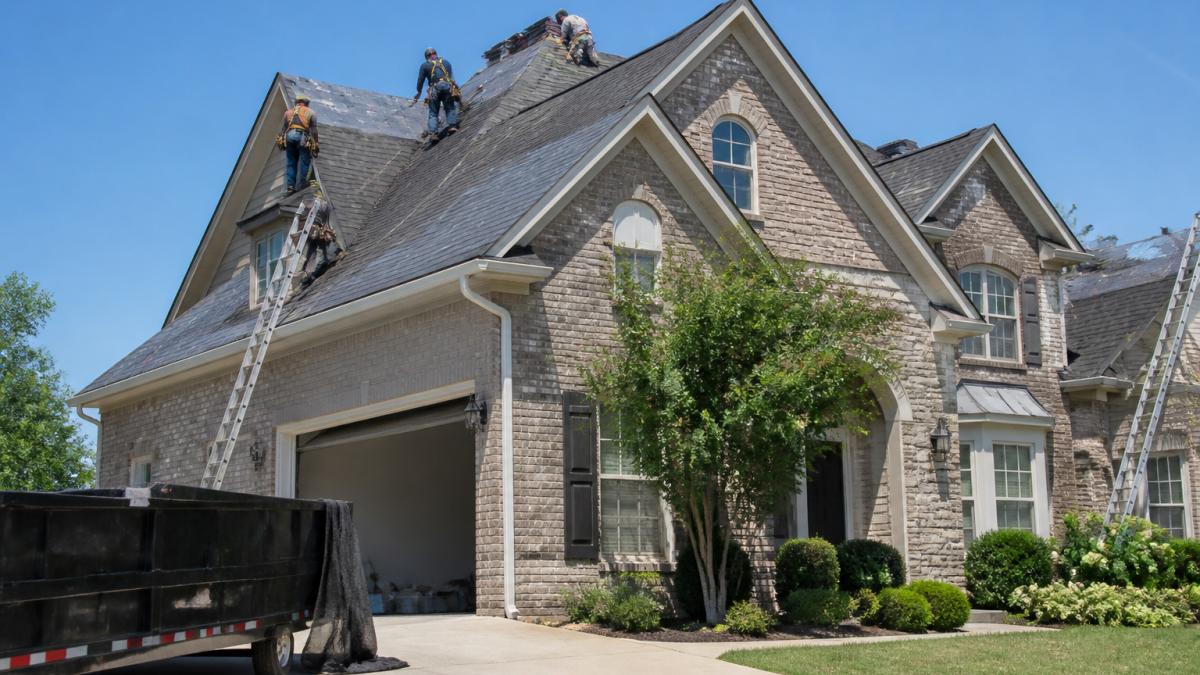
Here's how the process usually breaks down:
| Phase | What Happens | Typical Duration |
|---|---|---|
| Inspection and estimate | Contractor assesses roof, documents damage | 1-2 days |
| Permit and materials | Permit filed, materials ordered | 1-2 weeks |
| Tear-off and install | Old roof removed, new roof installed | 1-3 days |
| Final walkthrough | Cleanup, inspection, warranty paperwork | Same day |
Energy Efficiency, Ventilation, and Long-Term Value
Roof ventilation is the most overlooked factor in roof performance. Proper intake and exhaust vents keep attic temperatures down, which reduces cooling costs and extends shingle life. Without adequate ventilation, heat and moisture build up, and both shorten your roof lifespan.
DIY vs. Professional Roof Replacement: Risks and Permits
Attempting a roof replacement yourself is rarely worth the risk, but the more useful question is where the line sits between a homeowner-handled repair and a job that requires a licensed crew. Most competitors skip that middle ground entirely.
The Safety Math
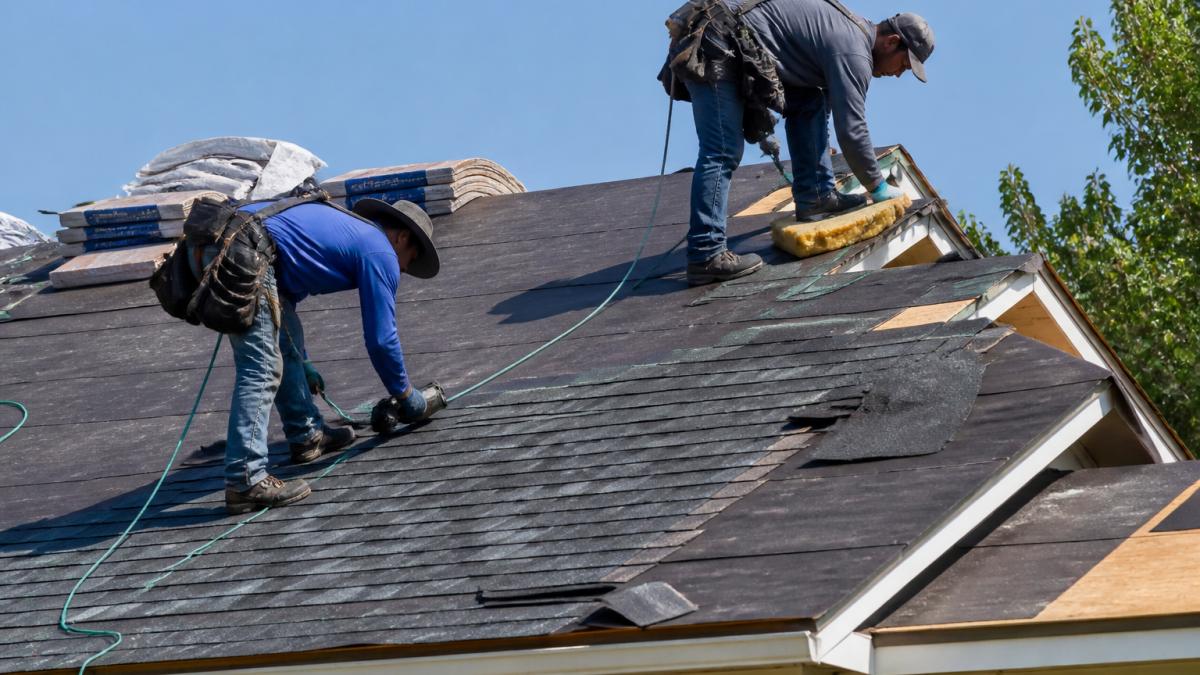
Roofing safety alone makes full replacement a dangerous job. Falls from height are among the most serious construction injuries, and steep roof pitch compounds the danger. Professional crews work with harnesses, anchor points, and staging that most homeowners do not own. A single slip on a two-story roof is not a repair bill, it is a hospital bill, and homeowner's insurance may not cover unpermitted work performed by the homeowner.
What You Can Reasonably Do Yourself
A few tasks sit safely on the homeowner side of the line:
- Visual inspection from the ground. Binoculars and a phone camera catch missing shingles and obvious damage.
- Attic checks. Look for daylight, water stains, or soft decking from inside.
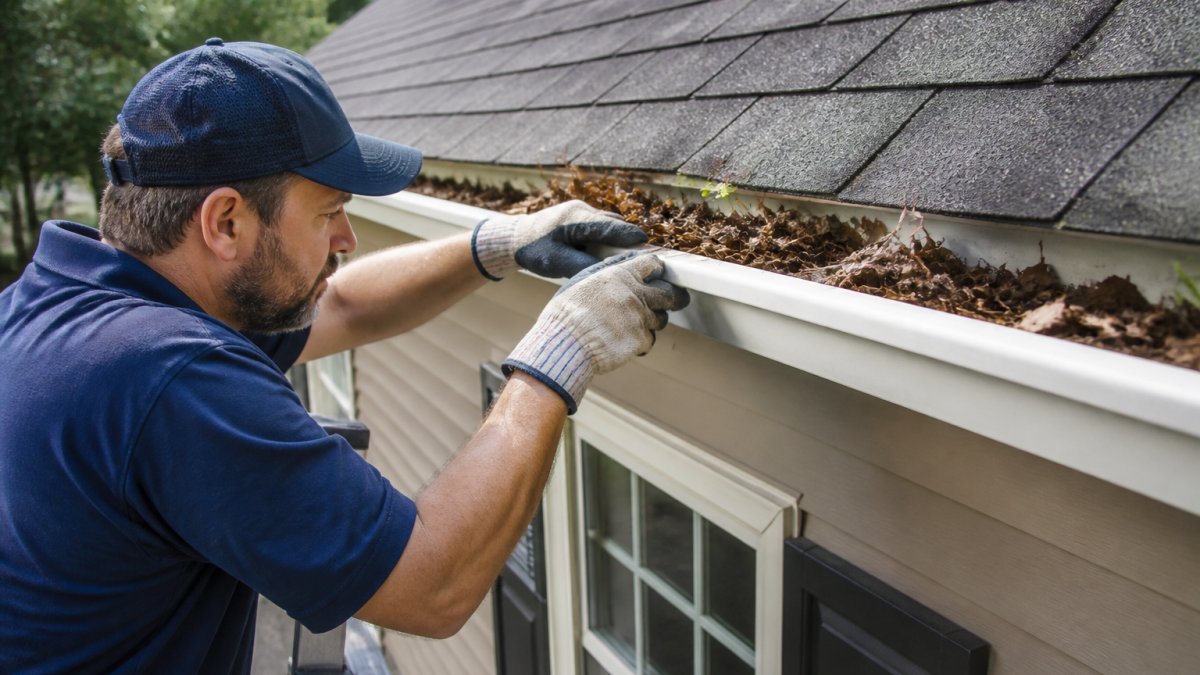
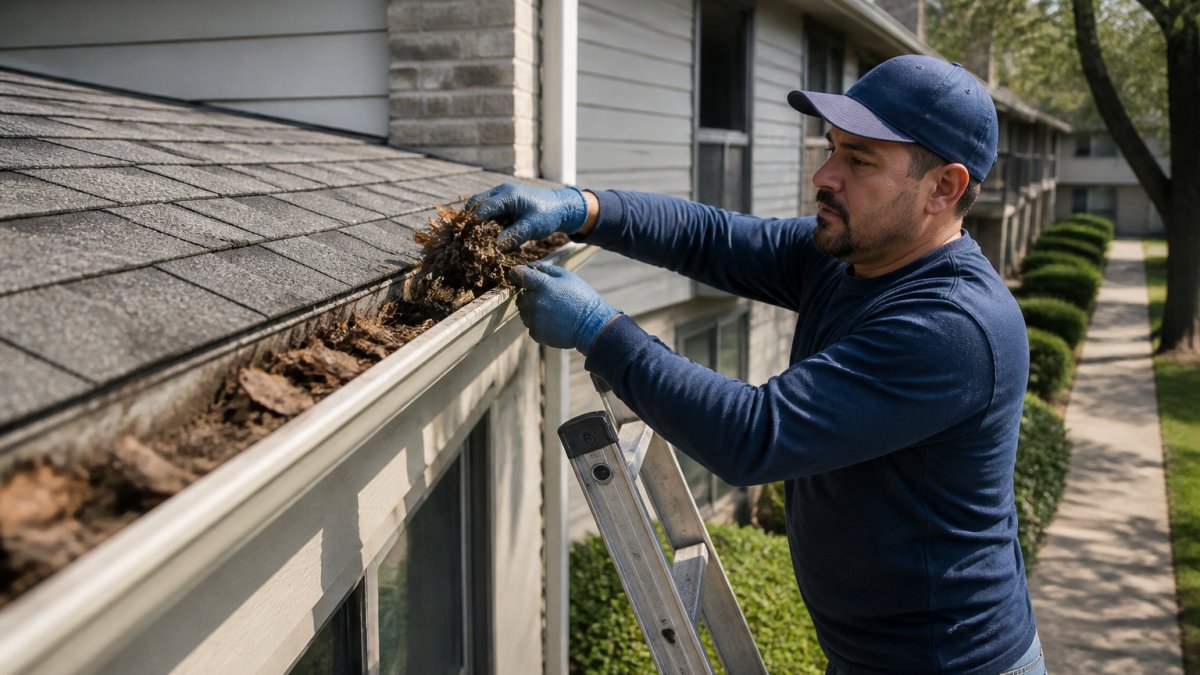
- Gutter clearing. Removing debris protects drainage and lets you spot granule loss.
- Documentation. Dated photos after a storm support an insurance claim.
What DIY Costs You Beyond Labor
Even a technically competent homeowner runs into three hard walls:
- Permits and inspections. Building codes and roofing permits require inspections that most homeowners cannot satisfy on their own. Unpermitted work can complicate a future home sale and may void insurance coverage if a claim arises.
- Warranties. Manufacturer roofing warranties typically require installation by a qualified contractor. A self-installed roof usually voids the material warranty, and any workmanship coverage is gone entirely.
- Hidden defects. Improper flashing, drip edge, and ice and water shield installation causes leaks that may not surface for months, by which time the decking and framing are already damaged.
The Partial-Repair Trap
Many homeowners try to split the difference: hire a pro for the visible damage and patch the rest themselves. This is the riskiest middle path. A patch that does not match the surrounding shingle profile can void the warranty on the entire slope, and mismatched underlayment creates a moisture trap that accelerates failure in the patched area. Emergency repair after a storm is another area where professionals respond faster and more safely, and where insurers expect documented mitigation.
Frequently Asked Questions
What is the average cost to replace a roof?
Roof replacement pricing varies widely based on square footage, roof pitch, material choice, and how many old layers must be torn off. A roof replacement cost estimate from a licensed contractor is the only reliable number for your home. Astro Roofing offers free inspections and estimates, so you get a written figure tied to your actual roof rather than a national average.
How do I know if my roof needs to be replaced or repaired?
Look at age, shingle condition, and leak history together. A 30-year-old roof with curling shingles, missing granules, and repeated patching is usually past repair. Isolated damage, like a single cracked flashing boot or a few lifted shingles after a storm, can often be fixed. A professional roof inspection separates the two and tells you whether a roof tune-up buys time or just delays the inevitable.
How long does a typical residential roof replacement take?
Most single-family homes take one to three days once materials are on site, though larger roofs, steep pitches, or extensive decking repairs extend that timeline. Weather, permit approval, and material delivery all affect scheduling. Ask your contractor for a written roof replacement timeline before work begins so you can plan around it.
Do I need a permit for roof replacement?
In most jurisdictions, yes. A roofing permit ensures the work meets current building codes, including underlayment, flashing, and ice and water shield requirements. Reputable contractors pull the permit themselves and include it in the roofing quote. If a contractor suggests skipping the permit to save money, that is a warning sign worth taking seriously.
Roof replacement decisions carry real financial weight, and getting them wrong costs far more than doing them right the first time. Astro Roofing brings over 30 years of local experience, free estimates and inspections, and full insurance coverage to every project, along with custom-fit gutter systems and skylight expertise that protect your home long after the crew leaves. Call Astro Roofing today for a free inspection and a clear, honest estimate.